
Harrison's Bird Foods, a global leader in certified organic avian nutrition,
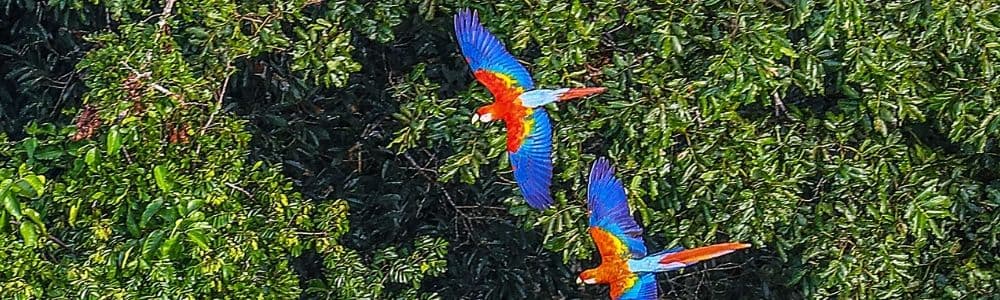
has awarded a $10,000 grant to Dr. Jade Kingsley in collaboration with Friends for Conservation and Development (FCD) and the Belize Wildlife & Referral Clinic (BWRC) to support groundbreaking research linking nutrition, microchipping, and reproductive success in Belize's critically endangered Scarlet Macaw population.
The Scarlet Macaw (Ara macao cyanoptera) of Belize remains critically threatened, with only 300–350 individuals remaining. Over the past 15 years, FCD and partners have protected nesting sites and hand-reared vulnerable chicks, microchipping more than 150 individuals before release. This project will evaluate the impact of Harrison's nutrition protocols on chick health outcomes while deploying RFID technology to track whether released macaws are returning to breed successfully.
"This project addresses two critical factors influencing conservation outcome, nutrition during hand-rearing and long-term monitoring of released macaws," said Dr. Jade Kingsley, lead researcher. "By combining Harrison's evidence-based nutrition with RFID nest scanning, we can finally answer a fundamental question: are rewilded macaws successfully surviving and contributing to future generations?"
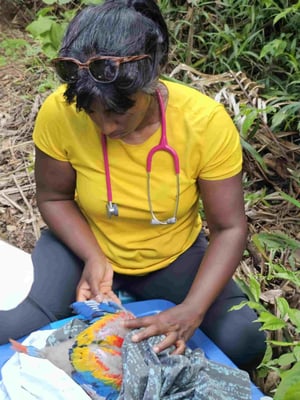
Dr Jade Kingsley during her macaw research
The grant will support a comparative nutrition trial using Harrison's Juvenile Hand-Feeding Formula and High Potency diets during weaning, DNA sexing to determine cohort sex ratios, microchipping for lifelong identification, and deployment of autonomous RFID nest readers at active sites throughout the Chiquibul Forest.
"This research represents exactly the kind of evidence-based conservation work Harrison's is committed to supporting," said Dana O'Donoghue, CEO. "By linking optimal nutrition to measurable outcomes in wild populations, this project will generate replicable protocols that can improve psittacine reintroduction efforts worldwide."
Harrison's Bird Foods looks forward to the findings from this innovative research and its potential to advance Scarlet Macaw conservation in Belize and beyond.
Author