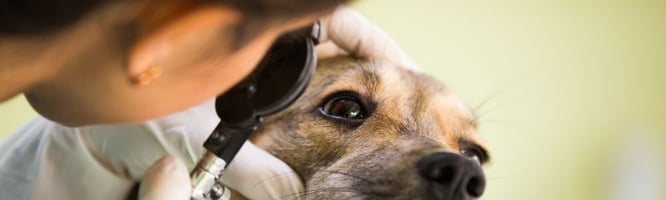

Dechra’s antibiotic-free, long-acting ear gel DuOtic is expected to launch in the UK in March — so if you saw the early previews and haven’t revisited it since, here’s a short recap of what’s licensed, how it’s dosed, and the key points for “yeast-only” otitis externa cases.
The product
DuOtic is a prescription ear gel for dogs indicated for the treatment of otitis externa associated with Malassezia pachydermatis. It combines:
- Terbinafine 10 mg (antifungal)
- Betamethasone acetate 1 mg (long-acting corticosteroid)
Dechra has positioned it as a way to support antimicrobial stewardship - in cases where cytology indicate a yeast-only ear infection, using DuOtic helps to avoid unnecessary antibiotic use. For busy practices who care about antimicrobial resistance, products like this can look attractive — but they only make sense when you’re confident you’re dealing with yeast-driven disease.
Dosing and what to tell clients about timelines
The licensed dosing schedule is straightforward: one tube per affected ear, repeated after 7 days.
The SPC notes that maximum clinical response may not be seen until 21 days after the second administration (i.e., up to 28 days from starting treatment). This is worth flagging at prescription in order to manage client expectations.
Practice context
At Dechra’s earlier preview event, speakers highlighted that antibiotics should be reserved for cases where they’re justified, and that effective otitis management depends on identifying underlying and perpetuating factors alongside targeted therapy. In day-to-day terms, that means not skipping the basics: otoscopy plus cytology, taken and interpreted well enough to distinguish “yeast only” from mixed infection, bacterial disease or parasitic causes.
For more information, see Dechra's UK Webpage: DuOtic


Practical Cytology and Haematology
A one-day short course worth 6 CPD hours
 Sept 26
 Swindon
Author