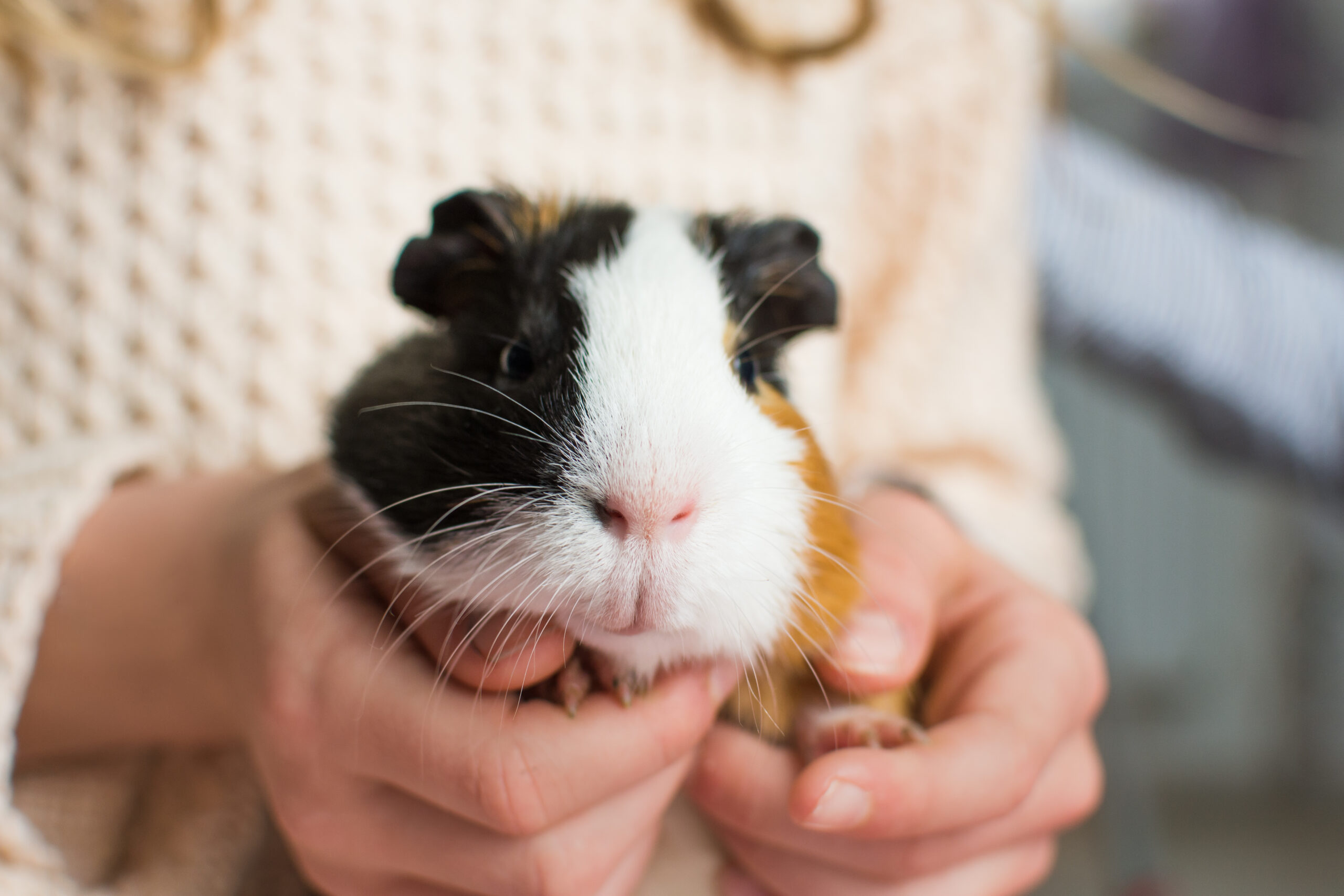
Now in its fifth year, Guinea Pig Awareness Week (20–24 October) brings together vets, rescues, retailers and welfare organisations to champion small animal care under the theme "Comfort, Care, Companionship".
Commissioned by Burgess Excel for GPAW, the survey of 248 guinea pig owners found that while owners are deeply bonded with their pets, with 97 percent reporting improved mental well-being since becoming owners, almost half (45 percent) said they weren’t confident in how to reduce stress when it occurs.
Mary Coles, postgraduate researcher specialising in small animal health and welfare, and trustee of leading charity Guinea Pig Welfare UK says that while guinea pigs are increasingly recognised for their companionship value, stress remains one of the most common and underestimated welfare challenges:
“Stress is one of the biggest hidden contributors to poor health in guinea pigs. It can suppress the immune system, disrupt digestion, and make animals far more susceptible to issues like bloat, respiratory infections and urinary tract problems.
“In rescue and clinical settings, we see the effects of chronic stress all too often - and they’re usually preventable. By helping owners understand subtle stress signals and the importance of environmental stability, we can make huge strides in improving welfare outcomes.”
According to John Chitty, qualified vet and also a trustee of charity Guinea Pig Welfare UK, the research underlines the opportunity for the pet industry to turn empathy into education:
“The data shows that owners genuinely care about their guinea pigs - they’re talking to them, observing them, and wanting to do right by them. But we need to bridge the gap between emotional connection and practical knowledge.
“The industry can play a pivotal role here: vets by reinforcing stress awareness in consults, retailers by guiding on social housing and enrichment, and rescues by modelling best practice.
“The benefits of better awareness include improved welfare for the animals and more confident, engaged owners who provide better lifelong care.”
Supported by the Guinea Pig Alliance, which comprises Guinea Pig Welfare UK, RSPCA, Wood Green, Blue Cross and Raystede Centre for Animal Welfare, GPAW is the UK’s leading collaborative welfare initiative for guinea pigs.
The 2025 campaign encourages professionals across the sector to share educational content, host welfare discussions, and display materials from the free GPAW resource pack, which includes posters, care guides and digital assets to support owner learning.
Suzanne Moyes, qualified vet and deputy managing director at Burgess Pet Care, says: “Guinea Pig Awareness Week was founded to make welfare education engaging and accessible. The collaboration between welfare organisations, rescues, vets and retailers shows what can be achieved when the sector pulls together for the good of small animals.”
Industry professionals can download the free GPAW 2025 Resource Pack, share welfare guidance on social media, and support owners in recognising stress signals and promoting healthy companionship.