

Feeding tubes are commonly used in veterinary medicine, with nasoesophageal (a tube passed through the nose into the oesophagus) and nasogastric (a tube passed through the nose into the stomach) tubes commonly used in dogs and cats. However, incorrect placement can have severe and potentially fatal consequences.
While radiographs are routinely used to check tube position, but until now, there has been no published guidance on precise radiographic criteria for determining correct tube placement, making interpretation uncertain and potentially leading to complications, including aspiration pneumonia (lung infection) and pneumothorax (collapsed lung). This is the first time standardised guidelines have been developed to support veterinarians to make informed and accurate decisions.
Led by Andrea Vila Cabaleiro, Small Animal Diagnostic Imaging Resident at the RVC, the research team collected 256 lateral neck and chest radiographs of dogs and cats with nasoesophageal or nasogastric feeding tubes in place. The images were sourced from ten private and academic institutions, including the RVC’s Queen Mother Hospital for Animals. Expert veterinary radiologists then verified whether the tubes were correctly placed in the oesophagus (food pipe) or incorrectly in the trachea (windpipe).
Radiographic guidelines were created to help determine the correct placement of the feeding tubes. These guidelines offered an easy-to-use 3-point system to confirm placement:
-
Does the tube pass dorsal to cricoid cartilage lamina (larynx)?
-
Is at least some part of the tube journey visible outside the trachea (i.e. not complete superimposition with the trachea)?
-
Does the tube pass dorsal to the dorsal wall of the carina?
To assess the value of the new guidelines, six veterinarians with different levels of experience reviewed the same set of radiographs twice — once using their usual judgement and again after being introduced to the guidelines. The results showed clear improvements after the guidelines were applied:
- Diagnostic accuracy increased from 82% to 96%
- Diagnostic uncertainty fell from 14% of cases to just 2%
- Agreement between clinicians improved from moderate to almost perfect
- Improvements were seen across all experience levels, from trainees to experienced clinicians
- The guidelines performed consistently in both dogs and cats, across a wide range of sizes and practice settings
Overall, the findings show that using a simple, structured radiographic checklist can improve both the accuracy and confidence of feeding tube placement checks. Because the approach relies on easily identifiable radiographic landmarks and requires no additional equipment, it is well suited to first-opinion, emergency and critical care settings where rapid, reliable decisions are needed.
To assist with the uptake of the new radiographic guidelines, an easy-to-use infographic has been created to lead veterinarians through the three steps.
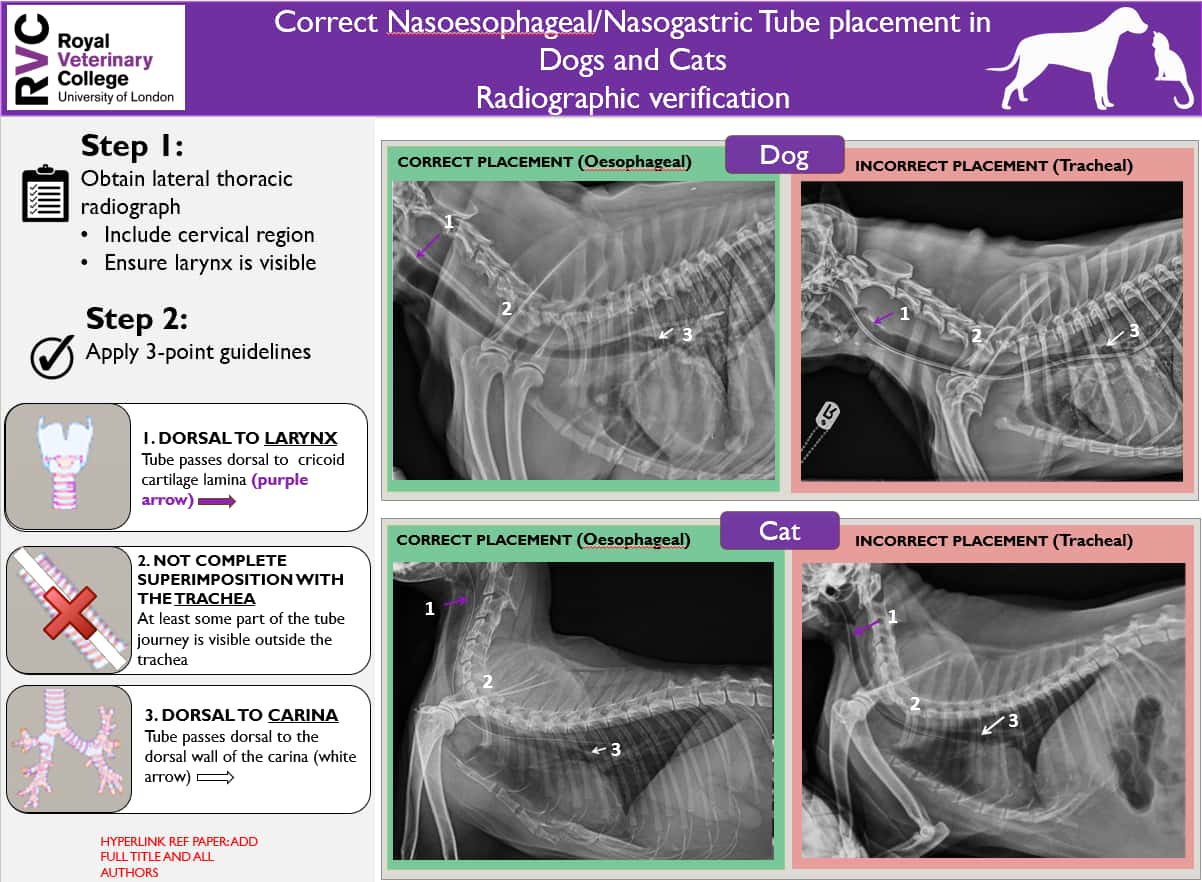
Image 1: The RVC infographic helps vets to use the feeding tube placement guidelines
As these guidelines become more widely adopted, further evaluation can help determine their long-term impact on clinical outcomes, with the findings hopefully collectively supporting safer, more consistent care for hospitalised dogs and cats across a range of veterinary settings.
Andrea Vila Cabaleiro, Small Animal Diagnostic Imaging Resident at the RVC and lead author of the paper, said:
“I am incredibly excited about the publication of this paper, which helps veterinarians prevent life-threatening consequences associated with feeding tube misplacement. I am proud to share these guidelines, which support safer, more confident decision-making in everyday practice.”
Dan O’Neill, Professor of Companion Animal Epidemiology at the RVC and co-author of the paper, said:
“This paper shows the power of good data and study design to create useful new tools that enhance contextualised veterinary care. These new radiographic guidelines will save lives – and that is what good research should do.”
The full paper can be accessed at: https://onlinelibrary.wiley.com/doi/10.1111/vru.70138
Author