

Starting your first job as a vet is exciting — but it can also feel like you’re expected to be confident with practical skills before you’ve had enough repetition to really own them.
That’s where CPD for new graduates becomes so important. The right course can help you build confidence quickly, sharpen your clinical judgement, and feel more capable in day-to-day cases. The wrong one can leave you with notes, but not much change in practice.
What should new graduates look for in hands-on CPD?
If you’re short on time, here’s the quick answer. The best practical veterinary CPD for new grads should offer:
- Genuine hands-on or wet-lab time (not just demonstrations!)
- Blended learning, with support before and after the practical sessions
- Clear suitability for early-career vets
- Access to tutor support and feedback
I'm going to break each of these down into more detail below.
Start with your goal, not the course title
It’s easy to start by browsing vet CPD courses — but that can lead to choosing something that sounds impressive rather than something that actually helps you in practice.
Instead, you should start with a simple question:
"What do I want to feel more confident doing after the course?"
For many new grads, theoretical knowledge is high, but practical skills are low, so your answer may be:
- managing wounds effectively
- stabilising emergency cases
- performing routine dental procedures more quickly
- being able to confidently remove a foreign body on my own
Once you’re clear on the goal, it becomes much easier to filter courses that genuinely match your needs — rather than stretching too far, too soon.
Compare hands-on time properly
Not all “practical” CPD is created equal.
When we’re early in our careers, the difference between watching and doing really matters. So instead of asking “is this a practical course?”, you should ask:
- How much of the course is actually hands-on?
- Will I perform techniques myself, or mostly observe?
- How many delegates are there per tutor, machine, or cadaver?
- Will I get repeated practice, or just one attempt?
Ideally, you want to find practical skills training programs for vets that let you practice, hands on, several times, so you can build your confidence through repetition.
Consider blended learning that supports real cases
Hands-on training is essential for new graduates — but there's a way to make sure you learn even more. The most effective practical veterinary CPD usually combines:
- pre-course learning to prepare you
- structured practical sessions
- post-course resources to support real cases
This kind of blended approach means you’re not trying to learn everything in a single day — and you’ve got something to fall back on when you meet that case in practice for the first time.
A good example is RECOVER certification, which combines online learning with a practical workshop, and assesses your ability to apply protocols in realistic scenarios. For new grads, this can make a huge difference to how much you can learn in your practical CPD day, and help you translate skills from the course into practice.
Of course, if you can't find a practical CPD course that offers this, you can always supplement your practical learning by taking an on-demand webinar course on the same subject.
Check the level and suitability
One of the most common mistakes we see is choosing CPD that’s simply too advanced. Early in your career, the best course isn’t necessarily the most complex — it’s the one that meets you where you are.
Before booking, check:
- Is the course suitable for new or recent graduates?
- Does it assume prior experience?
- Is it focused on core, repeatable skills?
It might seem like fun to think about diving into orthopaedics or laparoscopic surgery, but it's important to get the basics right first. It’s less about prestige, and more about relevance to your current role.
Support and feedback matter
When we’re starting out, it can be easy to feel stupid asking questions, especially if other vets on the CPD course are more experienced than we are. But support and feedback are an important part of learning. Before buying a practical training day, you can ask:
- Will I have time to ask questions during the course?
- Are group sizes small enough for individual feedback?
- Are tutors approachable and used to teaching early-career vets?
On practical courses, this might simply be close tutor supervision and feedback during the day. On longer or blended courses, it might include discussion forums, tutor access, or structured support between modules. Everyone's different, which is why it's important to choose the method of learning that's right for you.
The New Grad Guide to CPD
This free download explains everything you need to know about CPD as a UK vet
Red flags to watch for
When comparing vet CPD courses, it’s worth being aware of a few warning signs:
- Minimal hands-on time despite being labelled “practical”
- No clear indication of who the course is for
- Large group sizes with limited tutor interaction
- No follow-up resources or support
- No clear learning outcomes
If you’re unsure, it’s always worth asking — a good provider should be able to explain exactly what you’ll gain.
A simple checklist for choosing practical CPD
Before booking a CPD course, run through this quick checklist:
- Is this course suitable for my level as a new graduate?
- Will I get meaningful hands-on experience?
- Is there support before and after the practical session? And if not, can I join this course with on-demand teaching to support my learning?
- Will I receive feedback or guidance from tutors?
- Does it focus on skills I’ll use in practice soon?
If the answer is “yes” to most of these, you’re probably on the right track.
Final thoughts
There’s no single “best” CPD for new graduates. We all learn differently, and we all want to build different skills. Some have a passion and a career plan, others just want to feel confident the next time a foreign body walks through the door.
The key is choosing CPD your way — whether that’s short, practical courses to build confidence quickly, or more structured programmes as your career develops.
Author
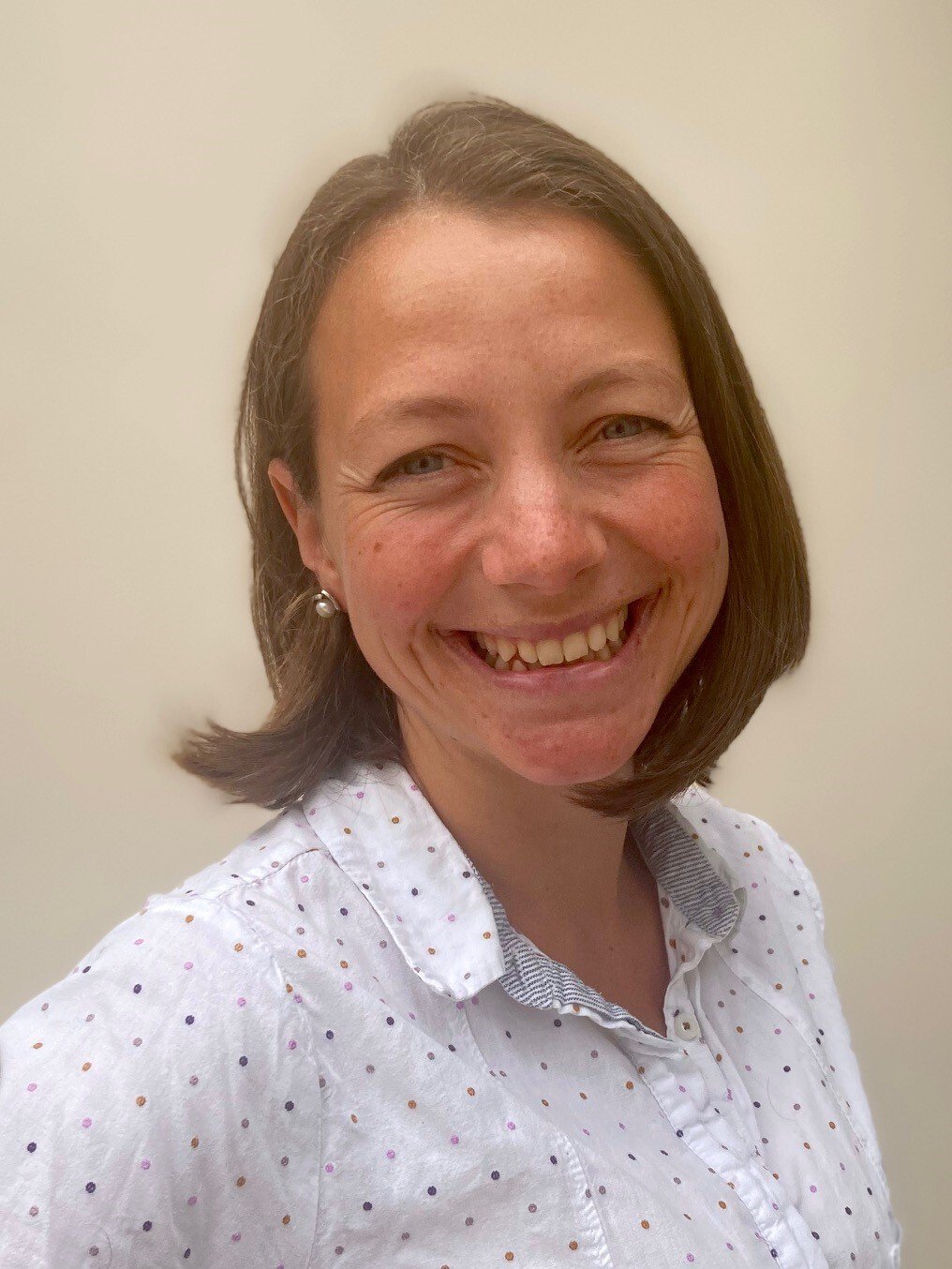
After graduating from the University of Nottingham in 2016, Jo moved into small animal practice in the midlands, where she grew a passion for client communication and the subjects that most need it - like geriatrics and dermatology. Since 2020 she has worked as a locum vet in the Channel Islands as well as as a content writer in pet health topics.


.jpg?height=200&name=IVE_UK_BlogImage_Not%20all%20CPD%20is%20the%20same-%20how%20to%20choose%20a%20format%20that%20works%20for%20you_Jan2025%20(1).jpg)