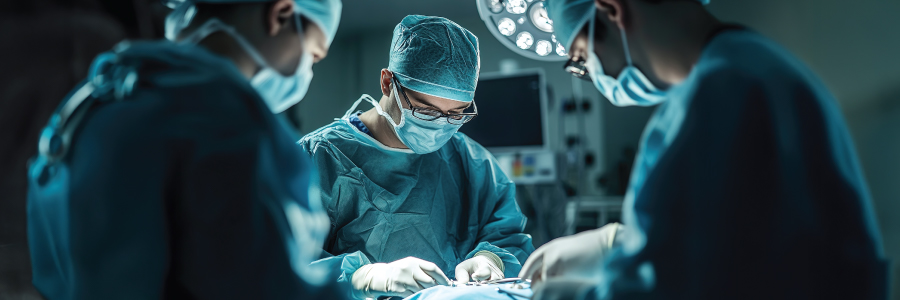
Operate with greater precision and confidence
The NEW Small Animal Orthopaedic Surgery Certificate Programme goes beyond mastering techniques. It develops confident clinicians who think critically, plan methodically, and perform decisively in real-life orthopaedic practice.
Orthopaedic cases are rarely straightforward. Fractures, joint disease, and mobility challenges require structured decision-making, sound clinical reasoning, and clear communication. This redesigned programme equips you with the practical skills and judgement needed to manage complexity and deliver consistently high standards of care.
Built for Foundation to Intermediate Development
Designed for surgeons building confidence at foundation to intermediate level, the course emphasises safe case selection, reproducible techniques, and decision-making aligned with general practice realities. You will strengthen core foundations through thorough orthopaedic examinations, differential diagnosis, joint arthrocentesis, and fundamental surgical techniques.
A Practical, Immersive Approach
Blending expert-led online learning with case-based activities, realistic surgical scenarios, and structured wet labs supported by OSATS-style assessment, the programme focuses on performance as well as knowledge.
Practical training includes uncomplicated diaphyseal long-bone fracture repair, routine cruciate surgery, and selected joint procedures. You’ll receive real-time feedback on planning, implant selection, execution, and complication management—refining both technical precision and clinical judgement.
Hear what our delegates have to say
Don’t just take our word for it - our delegate feedback speaks for itself.
Garrick Ponte
BVSc GPCert(SAM) MRCVS
The teaching at Improve is excellent and I have been able to take what I have learnt back to use in practice. It’s not just the lectures themselves but the practical work we did straight afterwards which drives home everything, which is why Impro … Read more
Colin Dickson
BVMS CertAVP MRCVS
Having previously completed a postgraduate surgery certificate with another provider, I was confident in my knowledge and understanding of the theory but felt underprepared from a practical perspective. I was initially hesitant to register for another … Read more
Key features of this programme
Blended Programme - A Balance of Interactive Online and Practical Modules
Structured and engaging online learning, with 10 hands-on practical modules in our state-of-the-art wet-lab facilities
Personalised Expert Mentorship
One-to-one feedback from your mentor, continuous guidance from your coordinator, and a safe space to ask anything, anytime and anonymously.
Decision-making, Communication & Resilience Training
Build essential non-technical skills including risk communication, emotional regulation, error management, and operating room leadership.
Structured Learning That Builds Real Confidence
Each module contains online content and resources that provide the theory and foundations to the practical block training that follows - helping you retain and apply your knowledge.
Expert-Led Training
Gain insights from leading veterinary specialists and connect with them directly during hands-on sessions at our state-of-the-art training centre.
Engaging, Multi-Format Learning
Enjoy interactive presentations, detailed notes, quizzes, surgical videos, and real case-based discussions.
Collaborative Community
Join a professional network of veterinary surgeons sharing cases, challenges, and experiences via our dedicated virtual learning environment and in-person modules.
Unrivalled Support
You’ll be supported throughout by a dedicated Programme Coordinator and access experts and specialists in person as they support your learning journey.
Blended Programme - A Balance of Interactive Online and Practical Modules
Structured and engaging online learning, with 10 hands-on practical modules in our state-of-the-art wet-lab facilities
Personalised Expert Mentorship
One-to-one feedback from your mentor, continuous guidance from your coordinator, and a safe space to ask anything, anytime and anonymously.
Decision-making, Communication & Resilience Training
Build essential non-technical skills including risk communication, emotional regulation, error management, and operating room leadership.
Structured Learning That Builds Real Confidence
Each module contains online content and resources that provide the theory and foundations to the practical block training that follows - helping you retain and apply your knowledge.
Expert-Led Training
Gain insights from leading veterinary specialists and connect with them directly during hands-on sessions at our state-of-the-art training centre.
Engaging, Multi-Format Learning
Enjoy interactive presentations, detailed notes, quizzes, surgical videos, and real case-based discussions.
Collaborative Community
Join a professional network of veterinary surgeons sharing cases, challenges, and experiences via our dedicated virtual learning environment and in-person modules.
Unrivalled Support
You’ll be supported throughout by a dedicated Programme Coordinator and access experts and specialists in person as they support your learning journey.
Programme details
Module Summary
01 - Foundations of small animal orthopaedic surgery
Key learning objectives:
• Take a focused orthopaedic history, including onset, progression, trauma and behavioural indicators.
• Perform and interpret a systematic musculoskeletal examination in dogs and cats, including posture, gait, joint range of motion and palpation.
• Differentiate orthopaedic and neurological causes of lameness using neurological examination findings.
• Formulate differential diagnoses and select appropriate diagnostic tests, including laboratory tests, arthrocentesis and diagnostic imaging.
• Select appropriate imaging modalities, including radiography, ultrasound, CT and MRI; obtain diagnostic-quality orthopaedic radiographs and recognise positioning errors.
• Develop appropriate diagnostic and treatment plans, taking account of the patient, clinical findings and owner constraints.
02 - Musculoskeletal trauma — principles & complications
Key learning objectives:
• Assess, prioritise and stabilise fracture patients, including analgesia, initial stabilisation and management of pelvic trauma.
• Explain fracture biology and biomechanics, including direct and indirect bone healing, stress, strain, patient age and factors affecting healing.
• Classify fractures and use FPAS and AO principles to plan fixation, stability and imaging.
• Manage open fractures, delayed unions, non-unions, osteomyelitis, malunions and fracture disease, including bone grafting and prevention strategies.
• Evaluate fracture repair and healing on post-operative radiographs, including implant stability, weight-bearing and implant removal.
• Select appropriate bandaging, splinting, casting and orthotic devices, and develop post-operative care and rehabilitation plans.
03 - Internal & external fixation
Key learning objectives:
• Differentiate direct and indirect fracture reduction and their indications.
• Select equipment for internal fracture reduction and stabilisation.
• Explain intramedullary pin fixation, including indications, limitations, pin sizing and the dowel pin method.
• Combine intramedullary pins with cerclage wires and plates safely, including pin selection, wire spacing and tensioning.
• Select and apply bone screws, including cortical, cancellous, self-tapping and non-self-tapping screws, and positional, lag and plate screws.
• Plan plate fixation using DCP, LC-DCP and LCP systems in compression, neutralisation and bridging modes.
• Design and evaluate linear external skeletal fixation for the radius and tibia, including components, safe pin corridors, indications and limitations.
• Develop ESF aftercare plans.
04 - Practical Block 1 - Foundation skills/fracture patient assessment score and introduction to internal fixation (Day 1)
Practical Learning Outcomes
-
Perform a complete orthopaedic and neurological examination to differentiate orthopaedic and neurological lameness
-
Perform arthrocentesis and interpret synovial fluid findings (shoulder, elbow, carpus)
-
Classify fractures and apply fracture patient assessment score (FPAS) to guide fracture planning
-
Apply lag screws, positional screws, and cerclage wires correctly using bone models
-
Demonstrate correct orthopaedic instrumentation handling and theatre workflow
05 - Practical Block 1 - Fracture patient assessment score/fracture planning/ internal fixation (Day 2)
Practical Learning Outcomes
-
Use templating software to plan fracture fixation
-
Apply dynamic compression plates (DCP) to a radial fracture
-
Place an intramedullary pin appropriately in the femur, tibia and humerus
-
Perform plate–rod fixation for comminuted femoral fractures
-
Evaluate post-operative radiographs of radius and ulna fracture repairs, plate rod fracture repair
06 - Practical Block 1 - Internal fixation/assessment of fracture healing/pelvic fractures (Day 3)
Practical Learning Outcomes
-
Apply lag screws with neutralisation plating to oblique tibial fractures
-
Perform pin and tension band fixation of the tibial tuberosity
-
Perform a lateral approach to the humerus
-
Harvest cancellous bone graft (humerus and ileum)
-
Apply appropriate post-operative coaptation and recognise complications including cast, bivalve splint and modified robert jones
-
Approach the pelvic fracture case
-
Apply FPAS and review post operative radiographs after internal fixation
07 - Perioperative management
Key learning objectives:
• Develop anaesthetic plans for orthopaedic patients using ASA grading and perioperative pain scoring.
• Select and justify anaesthetic drugs and protocols for orthopaedic procedures.
• Apply local and regional anaesthetic techniques, including thoracic and pelvic limb nerve blocks and epidural anaesthesia, and manage complications.
• Design multimodal analgesia for acute and chronic orthopaedic pain across the perioperative period.
• Use antibiotics appropriately in orthopaedic surgery.
• Prepare for orthopaedic surgery, including instrumentation, positioning, asepsis, theatre trolley management, suture materials and wound closure.
• Manage perioperative complications and assess post-operative outcomes using validated measures.
08 - Forelimb conditions
Key learning objectives:
• Diagnose congenital and traumatic shoulder luxations and select conservative or surgical treatment; assess osteochondrosis of the humeral head and biceps tenosynovitis.
• Diagnose and manage elbow luxation, elbow dysplasia, humeral intercondylar fissure and medial coronoid process disease, including the Campbell test and medial intermuscular approach.
• Select imaging and treatment for traumatic carpal injuries, digital corns and digit disease, including excision, superficial digital flexor tenotomy and digit amputation.
• Diagnose and manage septic and inflammatory joint disease using synovial fluid analysis, imaging, lavage and culture-guided antibiotics; manage feline medial epicondylitis.
• Plan post-operative rehabilitation and recognise when physiotherapy or rehabilitation referral is appropriate.
09 - Practical Block 2 - Perioperative management/fracture repair with external skeletal fixation (Day 1)
10 - Practical Block 2 - External skeletal fixation/internal fixation (Day 2)
11 - Practical Block 2 - Forelimb surgical focus: key procedures practical (Day 3)
12 - Hindlimb conditions
Key learning objectives:
• Diagnose hip dysplasia, Legg-Calvé-Perthes disease and hip luxation using history, examination and imaging.
• Plan management of hip dysplasia and juvenile pelvic disease, including conservative care, FHNE, total hip replacement, pelvic osteotomies and juvenile pubic symphysiodesis.
• Perform femoral head and neck excision via a craniolateral approach and select treatment for hip luxation.
• Diagnose cranial cruciate ligament disease, patellar luxation, meniscal injury and other stifle conditions, and select conservative or surgical management.
• Evaluate extracapsular and osteotomy-based stifle stabilisation, partial meniscectomy and corrective techniques for patellar luxation including sulcoplasty and tibial tuberosity transposition.
• Select imaging and management for tarsal injuries, metatarsal fractures and hindlimb corns, including superficial digital flexor tenotomy.
• Diagnose and manage septic arthritis and develop post-operative care, complication monitoring and rehabilitation plans.
13 - Neurology for the orthopaedic surgeon
Key learning objectives:
• Differentiate orthopaedic from neurological lameness using a structured neurological examination and neurolocalisation.
• Select and interpret neurological imaging and CSF analysis, including principles and contraindications of CSF collection.
• Diagnose and manage intervertebral disc disease, cervical spondylomyelopathy (Wobbler syndrome) and head trauma, comparing conservative and surgical options.
• Summarise surgical options and perioperative care for cervical, thoracolumbar and lumbosacral disease.
• Recognise cases requiring referral and communicate treatment options considering patient and owner factors.
14 - Soft-tissue injuries, osteoarthritis & polyarthritis
Key learning objectives:
• Assess muscle and tendon injuries including iliopsoas injury, quadriceps contracture, flexor carpi ulnaris contracture and fibrotic myopathies.
• Explain tendon healing and effects of immobilisation, growth factors and rehabilitation.
• Compare tendon-repair patterns including locking loop/Kessler and three-loop pulley, and select appropriate techniques.
• Evaluate management of Achilles tendinopathy, infraspinatus tendon contracture, quadriceps contracture and gastrocnemius avulsion.
• Diagnose and manage osteoarthritis using examination and imaging, including medical and surgical options.
• Differentiate immune-mediated and infectious polyarthritis and formulate treatment plans.
• Develop post-operative protocols and identify when physiotherapy or rehabilitation referral is appropriate.
15 - Miscellaneous & juvenile orthopaedics
Key learning objectives:
• Differentiate appendicular osteosarcoma from osteomyelitis and panosteitis using radiography, CT/MRI and histopathology, and plan treatment including amputation, limb-sparing surgery, chemotherapy and radiotherapy.
• Diagnose and manage metaphyseal osteopathy, panosteitis and craniomandibular osteopathy in young dogs.
• Recognise swimmer syndrome in neonatal puppies and kittens.
• Differentiate nutritional osteodystrophy from congenital metabolic bone disease using diet history, imaging and calcium/phosphorus results.
• Assess acute caudal myopathy, canine hyperlaxity syndrome and juvenile muscle–tendon disorders, including rehabilitation.
• Apply fracture-management principles in skeletally immature animals.
• Assess angular limb deformities and premature physeal closure, including distal ulna ostectomy and bioblique dynamic proximal ulna osteotomy for short ulna syndrome.
16 - Practical Block 3 - Hindlimb surgical focus: key procedures practical (Day 1)
Practical Learning Outcomes
- Case based evaluation of hip conditions
- Perform the craniolateral approach to the hip
- Perform a femoral head and neck excision (FHNE)
- Case based evaluation of stifle conditions including patella luxation and cruciate disease
- Perform a lateral and medial stifle arthrotomy
- Inspect the cruciate ligament and meniscus
- Perform extracapsular stifle stabilisation via a fabello-tibial suture
- Review post operative FHNE radiographs
- Consider rehabilitation protocols and expected outcomes for stifle conditions
17 - Practical Block 3 - Hindlimb and soft tissue injuries (Day 2)
Practical Learning Outcomes
- Case based decision making in patella luxation cases
- Perform corrective surgery for patellar luxation including:
- Block recession sulcoplasty
- Wedge recession sulcoplasty
- Tibial tuberosity transposition
- Lateral imbrication
- Medial release
- Case based discussion of tibiotarsal joint conditions
- Perform Kessler and three-loop pulley tendon repairs on achilles and digital flexors
18 - Practical Block 3 - Hindlimb/miscellaneous disease/CSF tap and complications of healing consolidation (Day 3)
Practical Learning Outcomes
- Perform CSF collection safely at the cisterna magna and lumbar puncture
- Perform placement of pigtail catheters for use in pelvic trauma cases
- Perform a partial tarsal arthrodesis
- Interpret complications of fracture healing
- Consolidate previously taught surgical techniques
19 - Practical Block 3 - Selection of imaging techniques, neoplasia, osteoarthritis, fractures of growing animals consolidation (Day 4)
Practical Learning Outcomes
- Select appropriate imaging modalities
- Stabilise a Salter Harris type 1/distal femoral physeal fracture with cross pins
- Formulate management plans for osteosarcoma and osteoarthritis cases
- Consolidate previously taught techniques
20 - The art of the surgical consultation - Bonus Module
Communicate surgical plans and prognoses effectively to clients, adjusting language and tone based on urgency, emotional load, and caregiver expectations.
Apply techniques of active listening and emotional intelligence to navigate challenging discussions such as consent, complications, and unexpected outcomes.
Recognise early indicators of compassion fatigue and stress specific to surgical practice, and implement strategies to support personal wellbeing and decision-making clarity.
Use the Conversational AI simulator to practise and refine communication in high-stakes surgical scenarios, including preoperative consent and postoperative complication management.
Reflect on the psychological and ethical complexities of surgical care, including client pressure, time-sensitive decisions, and the emotional impact of surgical loss or success.
Qualifications
General Practitioner Certificate (GPCert)

This course is accredited by ISVPS and allows you to achieve a General Practitioner Certificate
Our Small Animal Orthopaedic Surgery Programme offers you a comprehensive range of structured learning with the ultimate flexibility to access the training you want whilst working around your busy practice life.
You can let the programme give you new knowledge and skills to take back to practice, or you can work towards a recognised qualification.
General Practitioner Certificate (GPCert)
By attending the full online structured programme and following successful assessments, including an exam, you can gain the GPCert awarded by the International School of Veterinary Postgraduate Studies (ISVPS).
Only registered veterinary surgeons who have been qualified for one year can apply to undertake a General Practitioner Certificate.
Postgraduate Certificate (PgC)
A route to a PgC in Small Animal Orthopaedic Surgery will be available for this programme upon completion of your GPCert certification.
The PgC is a recognised higher education qualification demonstrating that you have achieved the required standard within a designated subject. The qualification represents Masters Level 7 within the Quality Assurance Agency’s framework for higher and further education. Additional assessments will be necessary to apply for this route; please contact us for further information.
Please see our pricing table for GPCert and PgC fees in the pricing tab.
RCVS Advanced Practitioner Status
On September 2025, the Royal College of Veterinary Surgeons (RCVS) announced an updated process for reviewing and accrediting postgraduate certificates that lead to eligibility for Advanced Practitioner (AP) Status.
This is an important development for the profession, ensuring that the AP designation remains a robust and meaningful recognition of advanced veterinary knowledge and skills providing greater confidence for veterinary professionals, clients, and the wider public.
Improve Veterinary Education and ISVPS fully support this enhanced level of scrutiny and has updated its GP Certificate (GPCert) programmes and assessments to meet the new RCVS criteria. These programmes are in the process of being submitted for review, and accreditation is currently pending as the RCVS AP Subcommittee works through applications.
General Practitioner Advanced Certificate (GPAdvCert) and Master's Degree
By continuing your learning journey with us, your PgC may also be used towards an ISVPS GPAdvCert or a Professional Master's degree (pending validation) with Harper Adams University. These qualifications will enable you to expand your knowledge and further demonstrate your skills while obtaining academic recognition.
Speakers



Pricing
£12,595.00
£4,500.00
Payment & VAT Information
1. Many of our courses come with deferred payment and instalment options. Click “Book Now” to see what’s available for this course.
2. All prices will be displayed exclusive of local sales tax.
3. For corporate-paid registrations, the associated corporate discount will apply to the regular course price and cannot be combined with Early Price or other promotions.
Payment Terms & Conditions
Registration Information
100% Satisfaction
We're completely confident in the quality of our training and CPD. So much so that if you're not 100% satisfied with your certificate course, we'll give you a 100% refund. Just get in touch with us within 30 days of your start date and we'll sort the rest. T's and C's apply.
Find out more
FAQs
Practical Sessions
Where are practical CPD courses or face-to-face modules held?
What will the timings be for face-to-face certificate modules and practical CPD sessions? How will my day be structured?
Where do the cadavers come from for the practical CPD and surgical modules/courses?
What should I wear to a practical CPD course/module?
I will be travelling from overseas, do I need a Visa?
Will the dogs used for practical CPD courses be sedated?
Will the dogs used for scanning have any abnormalities?
Are the dogs used for ultrasound CPD clipped?
Are cats used for any of the ultrasound courses?
Postgraduate Certificates (PgCs)
What’s changing with Royal College of Veterinary Surgeons (RCVS) Advanced Practitioner status?
What is a Postgraduate Certificate (PgC)?
Am I eligible for the PgC programme?
How do I enrol on the PgC programme?
I have previously achieved a GPCert. Can I still upgrade to a PgC?
Is the PgC equivalent to the RCVS CertAVP, BSAVA PGCert, and other university-awarded veterinary postgraduate certificates?
How are Improve’s PgCs different from other providers?
How will I be assessed for the PgC?
What’s not included in the PgC fee? Do I need to budget for further costs?
Payments & Finance
What payment methods do you accept?
Do you offer any flexible payment plans?
What payment methods can I use for setting up a direct debit?
Do you issue separate invoices for each instalment?
Why was my Direct Debit payment not charged on the day that is established in my payment plan?
Why couldn’t I make payment during check-out?
Where can I find the bank details for the bank/wire transfer?
What happens if my circumstances change and I need to cancel my order?
When is payment for my veterinary CPD course due?
How much do the veterinary CPD courses and certificate programmes cost?
My CPD course includes assessments with ISVPS, how do I make payment for these?
Can I pay by Direct Debit?
General Practitioner Certificates (GPCerts)
What is the criteria for enrolling in a General Practitioner Certificate programme?
What is the difference between a GPCert and a PgC?
Can I use this veterinary certificate programme towards my veterinary CPD hours?
How long does a General Practitioner Certificate (GPCert) take to achieve?
I want to register for a veterinary certificate course but I may be away for some of the modules. Does this mean I will miss out?
How long do I have to finish the modules for my GPCert?
What resources will be available to support me through the certificate programme?
How long do I have access to the course material for?
How will I be assessed for the GPCert?
What happens if I am not eligible to sit the assessments and/or exam with my cohort?
What does the General Practitioner Certificate programme fee include?
What’s not included in the certificate programme fee? Do I need to budget for further costs?
Will my veterinary postgraduate qualification be recognised in other countries?
Can I take a postgraduate certificate if coming from a non-European country? How do face-to-face modules work?
What resources will be available to support me through the PgC?
Where are the taught programmes held?
Are Improve’s Postgraduate Certificates academically equivalent to the RCVS CertAVP and other postgraduate certificates?
Over what time period can I take the taught modules?
Our Clinical Excellence Centre
Discover the new Improve Veterinary Education Clinical Excellence Centre featuring two surgical wet-lab training theatres and a radiology suite.
Find out more