
- Passive exercises - useful for increasing the range of motion in joints and enabling them to move without active muscle use
- Proprioceptive exercises – these can be introduced when patients can bear some body weight. They include exercises designed to train neuromuscular function and increase strength and endurance
- Active exercises – these make use of cats’ playing and hunting behaviors to motivate them
News
2 min read
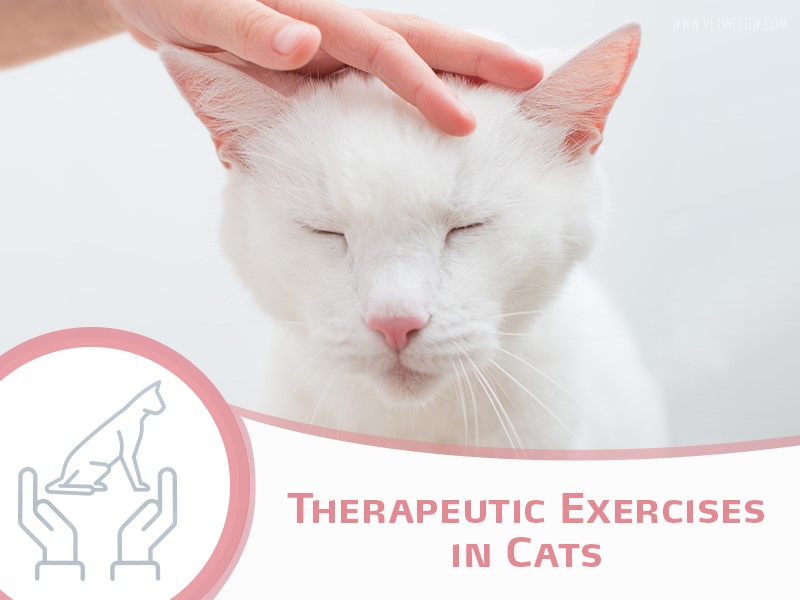
While cats may not seem the most likely candidates for therapeutic exercise (TE), it is possible to create treatment plans that can benefit most patients.
Author

Related content
Explore our Veterinary Oncology CE programs in 2025
If you’re passionate about advancing your skills in veterinary oncology, our oncology CE courses off...
Free Vet Tech CE Anesthesia webinar with Nicki Grint!
This FREE recorded CE webinar covers some very easy ways that you and your clinic can improve your a...
Improve Veterinary Education Partners with the AAFP
Improve Veterinary Education, a global leader in veterinary education, is thrilled to announce a gro...

A Review of Encephalitozoon cuniculi in Domestic Rabbits
Domestic rabbits infected with Encephalitozoon cuniculi can be asymptomatic or even show neurologica...
Improve Veterinary Education supports training of vets involved in rescue and rehabilitation of Moon Bears
Improve Veterinary Education has supported four junior veterinarians at Animals Asia through offerin...

Assisting Decision-Making on Age of Neutering for 35 Breeds of Dogs: Associated Joint Disorders, Cancers, and Urinary Incontinence
Neutering of male and female dogs has become a routine practice both in the United States and in Eur...
