The Feline Grimace Scale
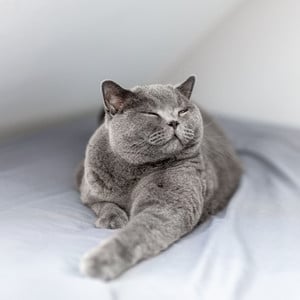
The feline grimace scale (FGS) was developed at the Université de Montréal after researchers analyzed videos and photographs of cats experiencing pain before and after receiving pain relief. They identified five key facial cues that tend to change when a cat is in pain:- Ear position
- Eye tightening (orbital area)
- Muzzle tension
- Whisker position
- Head posture
Using the feline grimace scale in practice
To evaluate a cat for acute pain, follow these steps:- Observation
- Scoring the five facial indicators
- 0 = Forward and upright
- 1 = Slightly rotated or pulled apart
- 2 = Rotated down and far apart
- 0 = Open and round
- 1 = Partially closed or squinting
- 2 = Fully closed or tightly squinted
- 0 = Relaxed and rounded
- 1 = Slightly tense
- 2 = Very tense or oval-shaped
- 0 = Relaxed and curved
- 1 = Straight or slightly tense
- 2 = Pointed forward or completely straight
- 0 = Above shoulder line
- 1 = Level with shoulders
- 2 = Below shoulders or in a hunched position
- Interpretation
4 ways to implement the feline grimace scale in your veterinary clinic
- Practice regularly and train the whole team
- Keep visual aids accessible
- Educate pet owners
- Try the FGS mobile app
Other validated feline pain assessment tools
If the feline grimace scale doesn’t suit your clinic’s workflow, there are alternative options: