News
News
23 August 2023
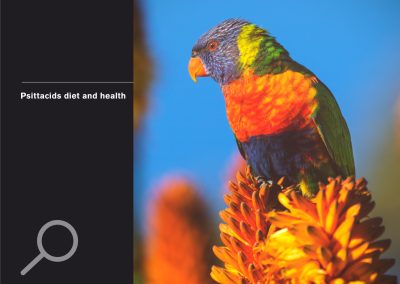
Psittacids diet and health
Psittacids, like humans, do not select food because it’s good for them but because they like it. Most owners know little about their nutritional requirements, which can cause serious health problems. Previous studies have shown that many birds receive …
News
23 August 2023
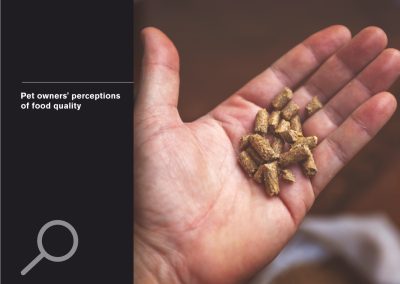
Pet owners’ perceptions of food quality
Owners’ concerns about the health of their companion animals are increasing with nutrition often seen as an important tool in managing their health and well-being. Studies have shown that owners prefer to spend money on pet nutrition they perceive to …
News
23 August 2023
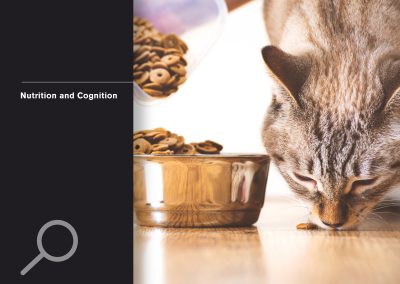
Nutrition and Cognition
Aging leads to changes that can negatively affect cognition in pets (and humans) and, in fact, a dog’s brain has a high metabolic rate, which is reported to be severely reduced by the time the animal is six years old. It is also known that a deficiency …
News
23 August 2023
CASE REPORT: Suspected Radiation-Induced Osteosarcoma in a Cat
Tumours induced by radiation have occasionally been reported in humans and dogs, but no such cases have previously been described in cats so this may be the first known case. It started with the referral of a three-year-old castrated male domestic shor …
News
23 August 2023
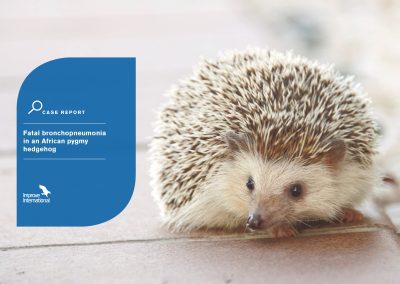
CASE REPORT: Fatal bronchopneumonia in an African pygmy hedgehog
Infections caused by adenoviruses are generally subclinical and species-specific but this report describes a case that did not follow the rule. It involves hedgehogs which died following infection with a skunk adenovirus 1 (SkAdV-1). Eleven adult Afric …
News
23 August 2023
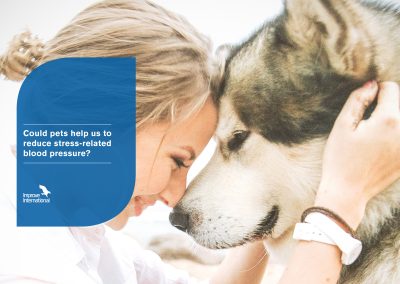
Could pets help us to reduce stress-related blood pressure?
The efficacy of antihypertensives in lowering resting blood pressure is unquestionable but these drugs have little effect on blood pressure responses to physical or mental stressors. Previous studies show that social support provided by people is benef …
News
23 August 2023
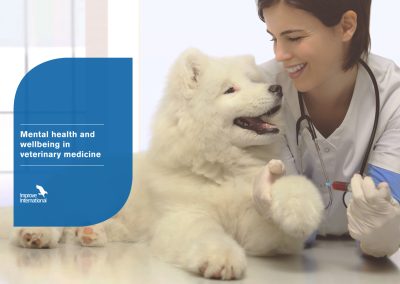
Mental health and wellbeing in veterinary medicine
Studies have confirmed a link between the veterinary profession and various forms of stress and mental illness. In a recent study to measure the prevalence of severe mental distress and determine the level of wellbeing within the profession, the autho …

News
23 August 2023
Is long-term stress contagious between species?
Dogs and humans have lived closely together for at least 15,000 years and various studies have been undertaken to explore their unique bond. These studies have shown that short-term stress appears to be contagious between the species but, to the author …

News
23 August 2023
Viewing like a horse
Vision is crucial to all species to help avoid threats and to navigate. As vision varies between species, this must be taken into account when creating sporting, training and housing environments – an issue that is particularly important when consideri …
News
23 August 2023
CASE REPORT: Beta coronavirus outbreak on a horse breeding farm
Beta coronaviruses (BCoV) are often associated with gastrointestinal diseases in young horses but there have also been reports of outbreaks in adult horses in racing and boarding stables. To the author’s knowledge, this is the largest BCoV outbreak rep …
News
23 August 2023
Paroxysmal Dyskinesia
The first report of episodic muscle hypertonicity in Norwich terrier (NT) dogs was first reported in 1984. Since then, our knowledge has advanced little. Paroxysmal dyskinesias (PxDs) can be inherited or acquired and can be primary or secondary to othe …
News
23 August 2023
Diagnostic pathways for Feline Hyperaesthesia Syndrome
We have a lot to learn about Feline Hyperaesthesia Syndrome (FHS), a complex disorder characterized by clinical signs including skin rippling, episodes of running and jumping, excessive vocalization and tail chasing. Some veterinarians consider tail mu …
News
23 August 2023
CASE REPORT: Subcutaneous lymphangiosarcoma in a pet rat
Lymphangiosarcomas are aggressive, rare malignant tumours that originate in the endothelial cells of the lymphatic vessels. In veterinary medicine they have been reported in dogs, cats, horses, a cow and an Asian otter. A study has now reported a possi …
News
23 August 2023
Pangolins state of play
Pangolins were included in the Appendix I of CITES in 2016 and, since then, global awareness of the importance of conserving these unusual mammals has increased. They are the most trafficked animals in the world, commonly poached in Africa and Asia. P …
News
23 August 2023
Monitoring giraffe skin disease
Giraffe numbers have decreased around 40% over the last thirty years, mainly because of anthropogenic causes, primarily poaching and habitat destruction. Diseases, including giraffe skin disease (GSD), however, also play a role in their decreasing num …