News

News
23 August 2023
Raw diets for dogs
Raw meat-based diets (RMBDs) are becoming increasingly popular among pet owners. However, their real advantages have not yet been clearly proven and some undesired consequences of these diets have already been well documented, both in dogs and cats. Th …

News
23 August 2023
Primary Hyperaldosteronism in Cats
In addition to being underdiagnosed, primary hyperaldosteronism is the most common adrenocortical disorder in cats. It mainly occurs in middle-aged and older cats and has been reported as a mediator of progressive renal disease. This disease may occur …

News
23 August 2023
How is the puppy weight inherited?
The size or weight of puppies at birth is an important parameter, which influences neonatal mortality and morbidity. It is also a predictor of puppy survival. Puppies should be weighed daily for at least the first three weeks to control weight gain, al …
News
23 August 2023
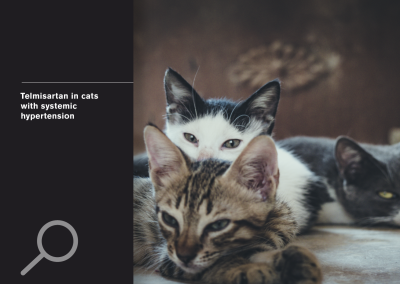
Telmisartan in cats with systemic hypertension
Pathological increases in blood pressure may lead to ophthalmic, cardiovascular and neurological injuries and, in old cats, systemic arterial hypertension is indeed an important cause of morbidity. Drugs like telmisartan, a nonpeptide angiotensin II re …

News
23 August 2023
CASE REPORT: Skin necrosis secondary sunburn in a brown Dachshund
Solar radiation may damage skin either directly or due to thermal injury (via thermal necrosis). The most affected areas are non-pigmented or sparsely haired zones, but dark skin should not be forgotten. In fact, it is important to consider that black …

News
23 August 2023
CASE REPORT: Afloqualone intoxication in dogs
Afloqualone is used in humans to relieve back pain and neuromuscular disorder as it has muscle-relaxant and sedative effects. Although there are no published reports of afloqualone intoxication in dogs, cases of intoxication by drugs that act similarly …

News
23 August 2023
Can epinephrine help reduce the severity of BOAS?
Brachycephalic obstructive airway syndrome (BOAS) includes various components that can be alleviated with surgical treatment. Nevertheless, there are secondary complications, like inflammation and edema that can lead to the need for further proceedings …
News
23 August 2023
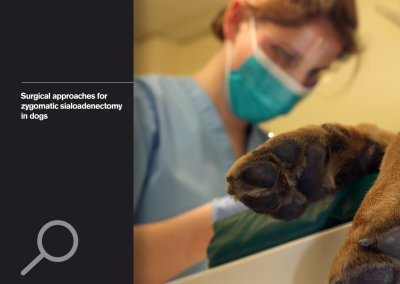
Surgical approaches for zygomatic sialoadenectomy in dogs
The Zygomatic gland is the least frequently salivary gland involved in glandular diseases. When affected, the clinical signs are variable due to its ventral location within the orbit. In most conditions, the treatment of choice is removing the zygomati …
News
23 August 2023
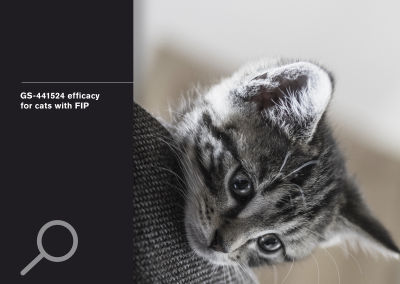
GS-441524 efficacy for cats with FIP
After the promising results of adenosine nucleoside monophosphate prodrug GS-5734 usage to prevent some RNA viruses, the efficacy of its parent nucleoside GS-441524 against FIP (feline infectious peritonitis) started to be evaluated. This small molecul …

News
23 August 2023
Vestibular syndrome in dogs
Vestibular dysfunction can be central or peripheral. It is relatively common in dogs and there are multiple causes. This retrospective study aimed to assess the frequency of the different etiologies of Peripheral Vestibular Syndrome (PVS) in dogs and c …

News
23 August 2023
Exotic Animals: pets or not?
In the recent years, having parrots, reptiles, amphibians, rabbits, and small rodents as pets, became a popular trend. Nevertheless, it is important to recognize that these non-domesticated animals, have special needs in captivity that many pet owners …

News
23 August 2023
Dog-directed parenting styles, communication and leash guidance
Parenting styles are helpful to assess long-term social interaction patterns, not only between parents and children but also within the owner-dog dyad. Dog-directed parenting plays an important role in preventing undesired dog behaviors, being describe …
News
23 August 2023
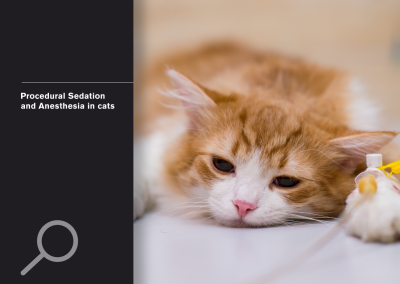
Procedural Sedation and Anesthesia in cats
Procedural sedation and anesthesia (PSA) is defined as the process of depressing a patient’s consciousness to perform minimally invasive or unpleasant procedures. This term is original from human medicine but can also be applied to veterinary sciences. …
News
23 August 2023
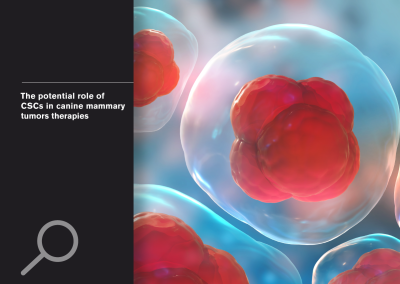
The potential role of CSCs in canine mammary tumors therapies
Mammary gland tumors in dogs are dependent on estrogen and progesterone, being most frequently seen in female dogs. They are composed of proliferative luminal epithelial cells, myoepithelial cells and mesenchymal cells with cartilage and osseous tissue …
News
23 August 2023
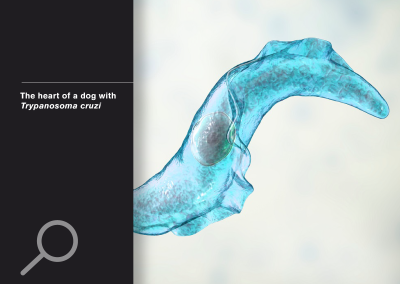
The heart of a dog with Trypanosoma cruzi
Chagas disease is a well-documented cause of infectious myocarditis in humans and can also affect dogs and other mammals. Its etiological agent is Trypanosoma cruzi, a protozoan parasite. In contrast to human medicine, gastrointestinal infection has ne …