News

News
23 August 2023
Stress and strain among veterinarians: a scoping review
In the veterinary field adding to the previous stressors, we have changing working schedules, financial issues, client demands/expectations and ethical dilemmas.
News
23 August 2023
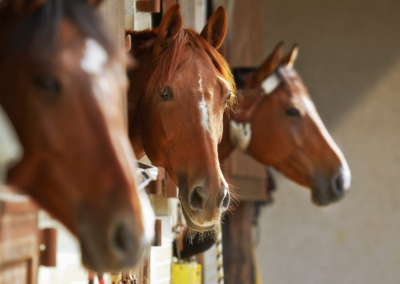
Regular Positive Reinforcement training increases contact-seeking behaviour in horses
Horses are frequently trained based on negative reinforcement. Nevertheless, recently, positive reinforcement training has become increasingly popular.
News
23 August 2023
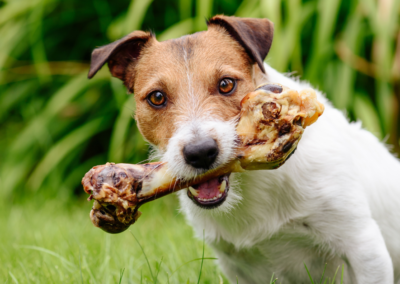
Esophageal and gastric bone foreign bodies
Bone foreign bodies are a common emergency in small animal veterinary practice. The way the clinician chooses to deal with them depends not only on its location, but also on its material.
News
23 August 2023
Evaluation of serum cardiac troponin-I concentrations for diagnosis of infective endocarditis in dogs
Infectious endocarditis (IE) is a microbial infection that causes inflammation of at least one of the cardiac valves or the endocardial surface of the cardiac chambers.
News
23 August 2023
The efficacy of a nutritional supplement containing green-lipped mussel, curcumin and blackcurrant leaf extract in dogs and cats with osteoarthritis
One of the most common orthopedic findings in cats and dogs is osteoarthritis (OA), with an estimated prevalence of 90% in dogs after 5 years of age. This is a chronic and progressive condition that affects the quality of life of pets.

News
23 August 2023
Revisiting the pathophysiology of heatstroke
Heat stroke is an extremely lethal syndrome, caused by high core body temperature. It is characterized by the inability to dissipate heat during exposure to hot environments, or during intense physical exercise under heat stress.
News
23 August 2023
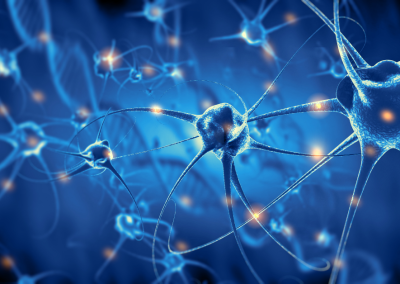
Neurofilament light chain as a biomarker of meningoencephalitis of unknown etiology in dogs
Neurofilaments (Nfs) are neuron specific proteins that are highly expressed in axons. When axonal damage occurs, Nfs are released into the cerebrospinal fluid (CSF) and blood stream. Neurofilament light chain (NfL) concentration in the CSF and blood have recently shown to reflect neuroaxonal damage and could be potential biomarkers for disease progression in humans.

News
23 August 2023
Equine parvovirus hepatitis
In 1918 Theiler’s disease was first described in a group of horses in South Africa after the administration of an equine biological. This disease is characterized by acute hepatic necrosis and fulminant liver failure.
News
23 August 2023
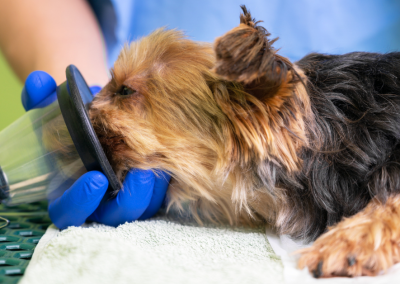
Antimicrobial discontinuation in dogs with acute aspiration pneumonia
Aspiration Pneumonia (AP) is a usual cause of bacterial pneumonia in veterinary practice. It is currently diagnosed based on compatible anamneses, clinical signs, and imaging.

News
23 August 2023
Making the most of your veterinary career connections how to make and maintain your network
It’s a known fact that professional network is influential in all occupational fields and veterinary medicine isn’t an exception. A research study done by the platform LinkedIn has found that 85% of job opportunities were tied to previous connections.
News
23 August 2023
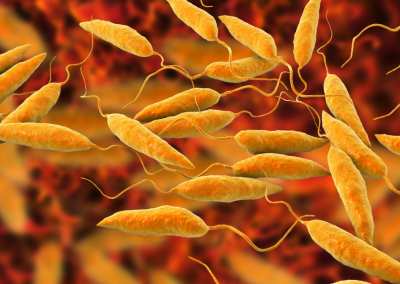
Leishmaniosis in a cat with chronic diarrhoea as the only clinical manifestation
Leishmaniosis is a disease with limited information related to epidemiologic and clinical aspect in cats. Regardless, it seems to be an emerging disease in this species.

News
23 August 2023
Association of gastric lymphofollicular hyperplasia with Helicobacter-like organisms in dogs
Gastric lymphofollicular hyperplasia (GLFH) is characterized by the formation of lymphoid nodules and follicles in the gastric mucosa. In humans this might reflect an active stimulation of lymphoid tissue by Helicobacter pylori, but how does it present in dogs?

News
23 August 2023
Improve International launches new online Feline Nursing programme in partnership with ISVPS
An online Feline Nursing course has been launched by Improve International in order to help nurse technicians working in both general and referral practice extend their knowledge and skills. The course also offers the opportunity to achieve a Nurse Cer …

News
23 August 2023
New Online Computed Tomography Programme Launched by Improve International
We are delighted to have launched an online programme in Computed Tomography (CT), offering a route to achieve a General Practitioner Certificate (GPCert), accredited and awarded by the International School of Veterinary Postgraduate Studies. CT is alr …

News
23 August 2023
An ultra-long-acting recombinant insulin for the treatment of diabetes mellitus in cats
Diabetes mellitus (DM) is a common endocrinopathy in cats, and its treatment relies upon the SC injection of insulin once- or twice-daily, along with dietary modification. In the majority of cats this is a life-long treatment. It is known that in peopl …