Explore the latest news within the veterinary industry
Every month, we share articles with new trends, recent scientific studies and the latest discoveries in the veterinary field. Foster your passion and update your knowledge with our ready-to-read publications in a minute.
Zoonotic Parasites of Reptiles
Reptiles have been generally associated with bacterial zoonotic pathogens, such as Salmonella, but reptile-borne parasitic zoonotic diseases have received little attention over the past years. As other animals, reptiles are hosts of several pathogens. The zoonotic risk is associated with human-reptile interactions such as reptile meat consumption, keeping reptiles as domestic animals or environmental contamination. […]
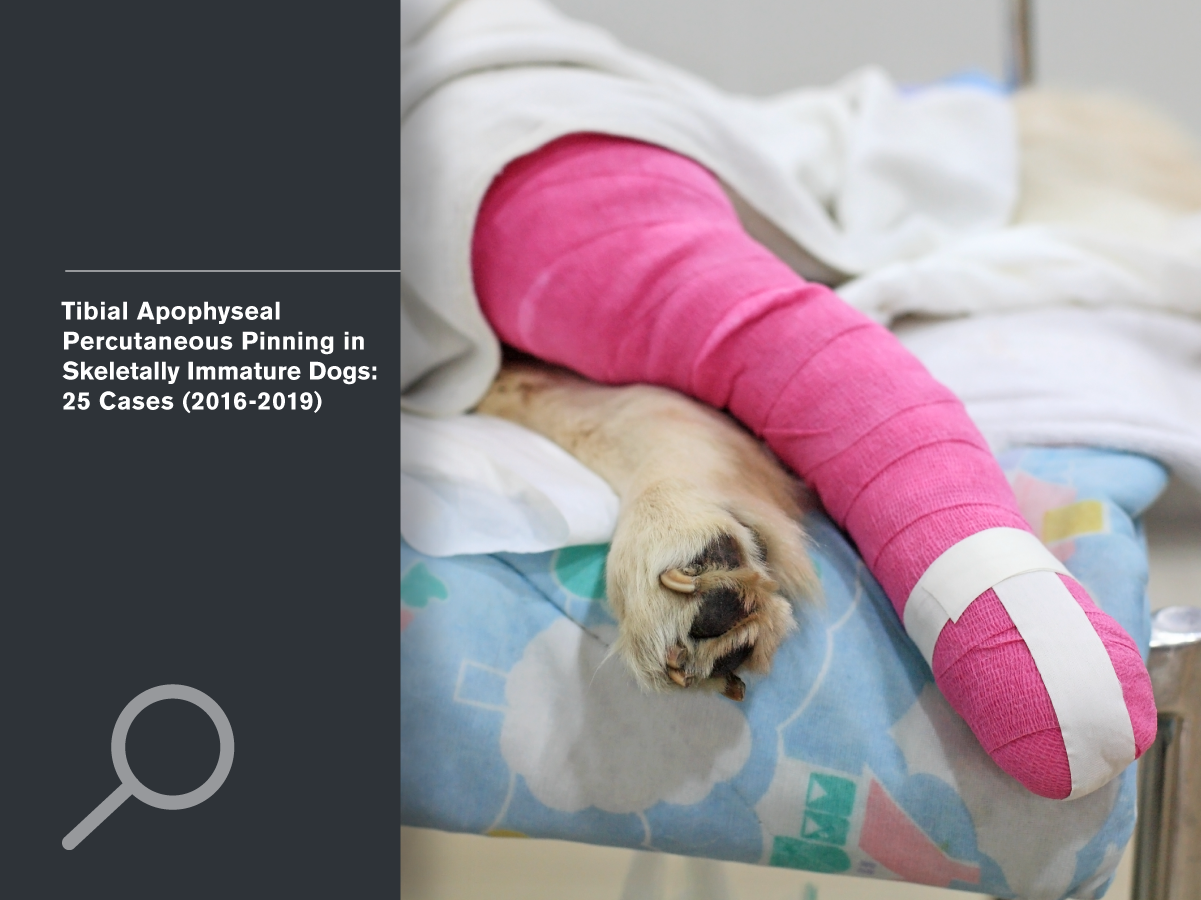
Tibial Apophyseal Percutaneous Pinning in Skeletally Immature Dogs: 25 Cases (2016-2019)
The aim of this study was to report the clinical experience with fluoroscopically guided tibial apophyseal percutaneous pinning (TAPP) for tibial tuberosity avulsion fractures (TTAF). This is a retrospective case series that reviewed the medical records of skeletally immature dogs (n=25). The association of pin design [smooth (SP); negatively threaded (NTP)], pin insertion angles, TTAF-type, […]
Robenacoxib efficacy for the treatment of chronic degenerative joint disease-associated pain in cats: a randomized and blinded pilot clinical trial
The main objective of this pilot study was to evaluate the results obtained from the assessment of the use of non-steroidal anti-inflammatory drug (NSAID) robenacoxib in cats with pain due to degenerative joint disease (DJD). Otherwise healthy cats (n = 109) with DJD-pain entered a parallel group, randomized, blinded clinical trial. The groups received placebo (P) and […]
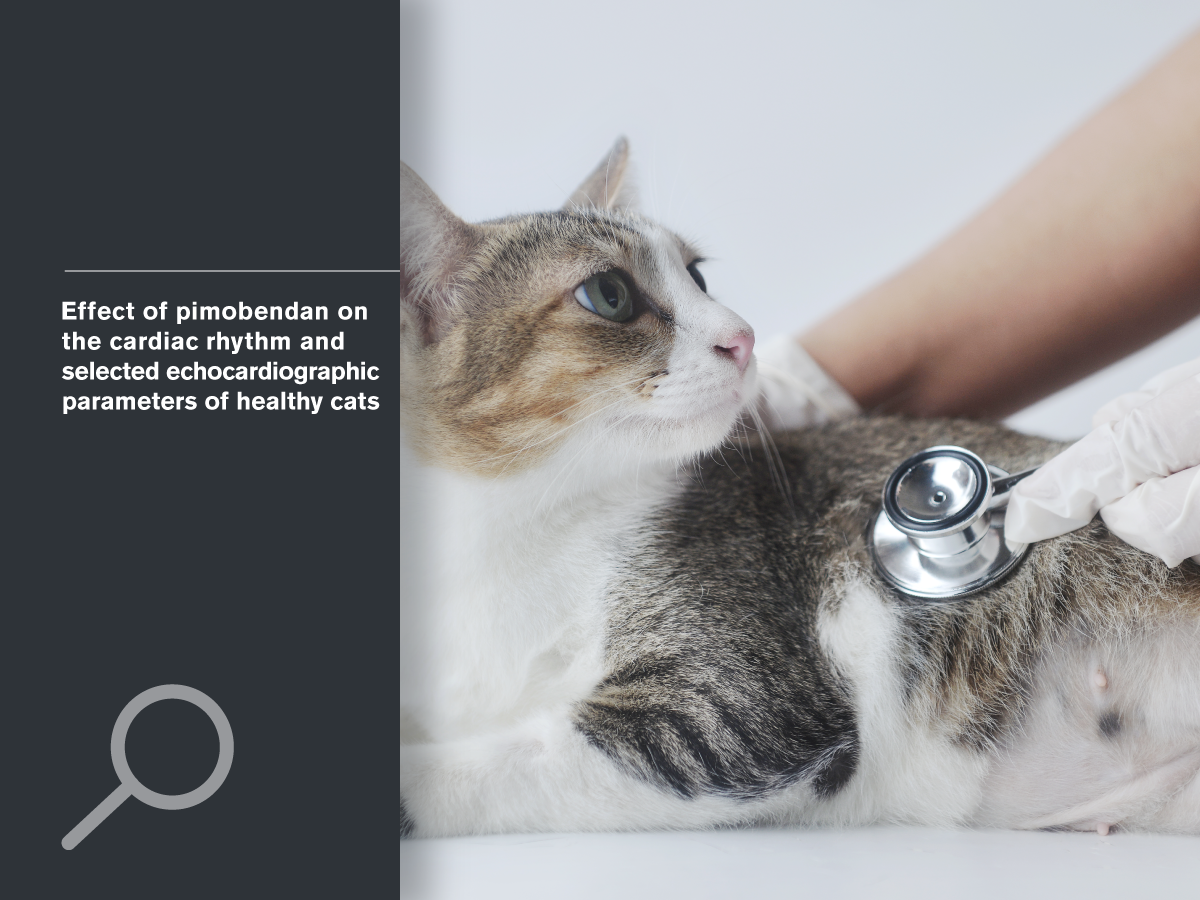
Effect of pimobendan on the cardiac rhythm and selected echocardiographic parameters of healthy cats
The effects of pimobendan on the heart rhythm in cats are unknown. The purpose of this pilot study is to evaluate the effect of pimobendan on cardiac rhythm and selected echocardiographic parameters of the cat. To carry out this study, six clinically healthy cats received each four medication protocols for 15 days, with a washout […]
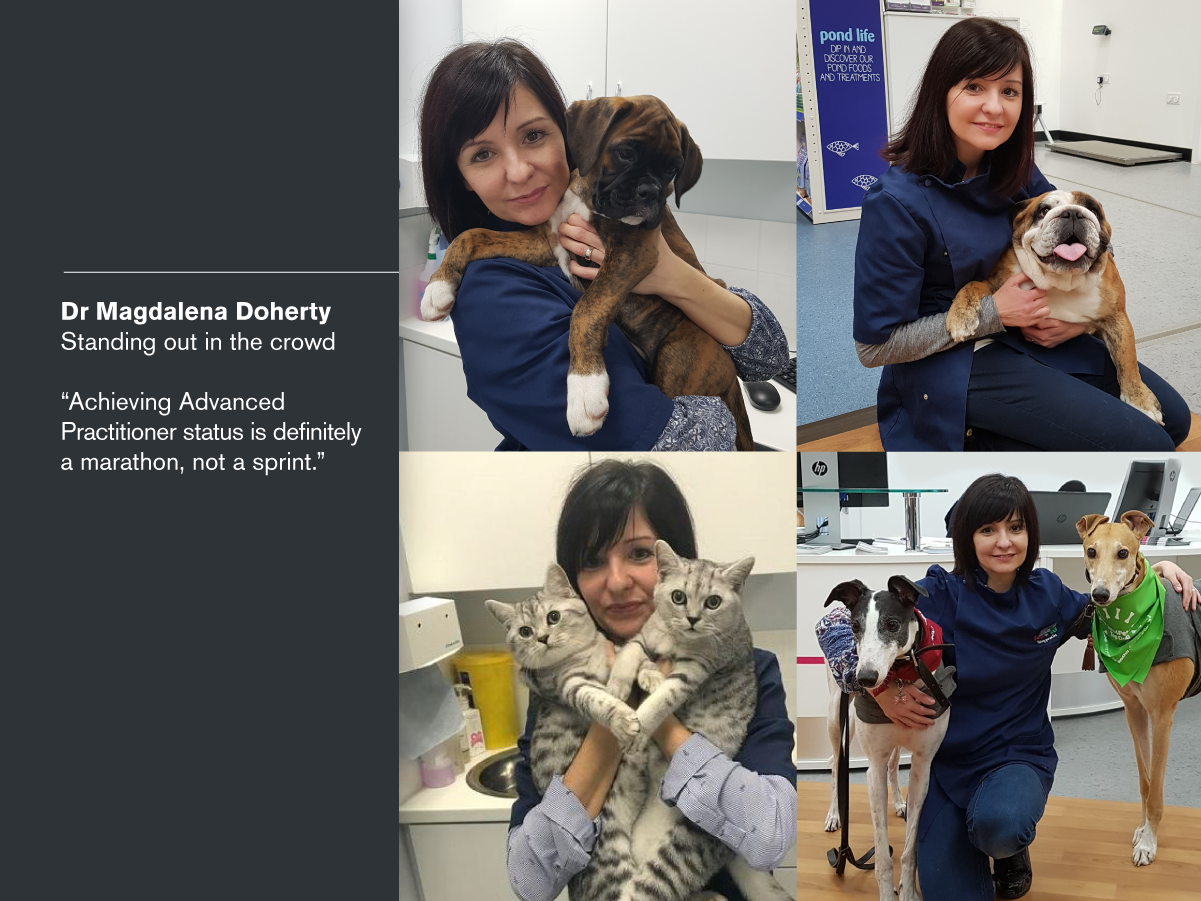
Dr Magdalena Doherty - Standing out in the crowd
Standing out in the crowd – how my journey to Advanced Practitioner Status opened up new opportunities and instilled a passion for career development. Dr. Magdalena (Maggie) Doherty qualified from the Wrocław University of Environmental and Life Sciences in Poland in 2003. Moving to the UK (and having learned English), she worked in small animal […]

Thymic epithelial tumors in dogs
Primary thymic epithelial tumors (TET) are rare in dogs, and little is known about their behavior. There are many recognized human histologic subtypes of TET which have a predictive value in humans but, in veterinary medicine, the classification of TET and their associated prognostic significance has been inconsistent. Therefore, the authors of this retrospective multi-institutional […]
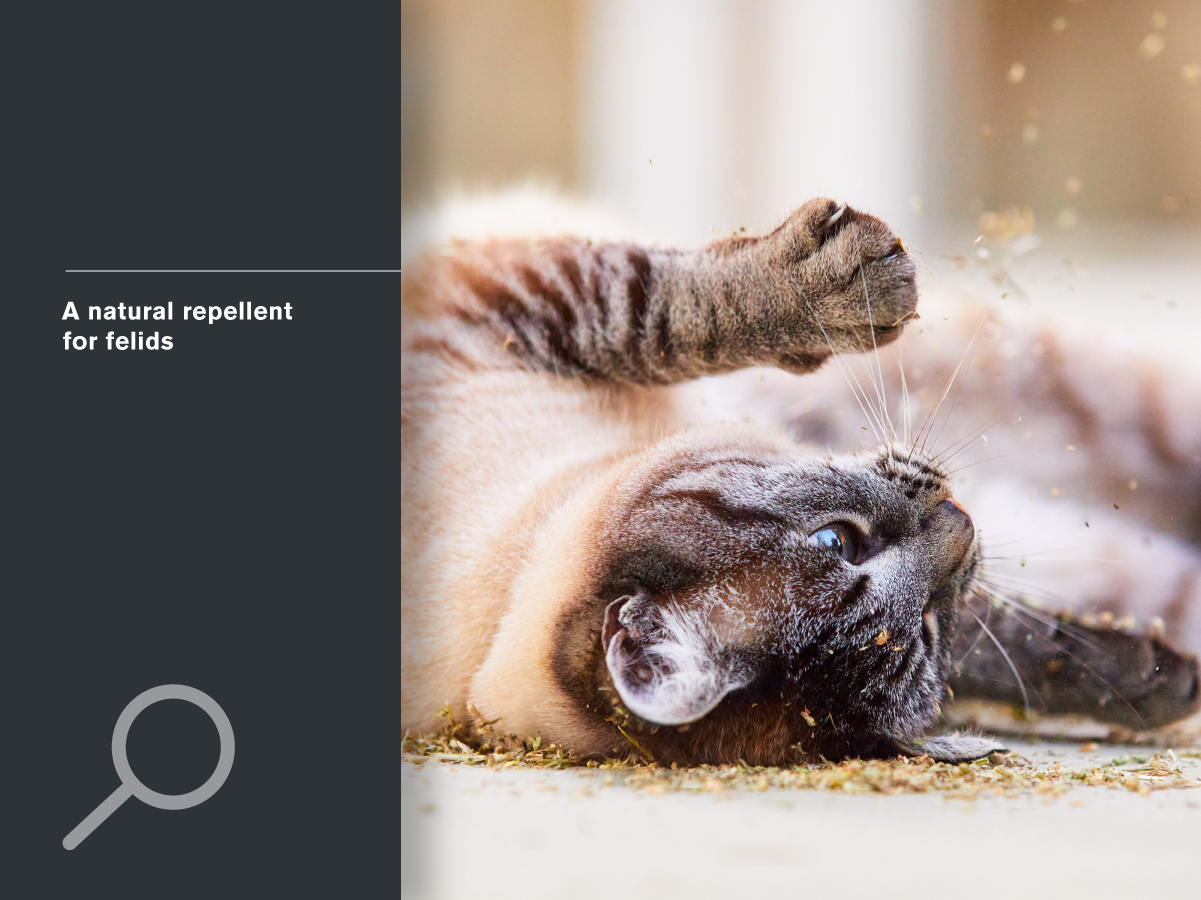
A natural repellent for felids
Felids display a typical behavioral response associated to the sniffing of specific plants, such as catnip and silver vine. This reaction is well-known and includes licking and chewing the plants, face and head rubbing against the plants, and rolling over on the ground. However, the neurophysiological mechanism and biological function associates is still uncertain – […]
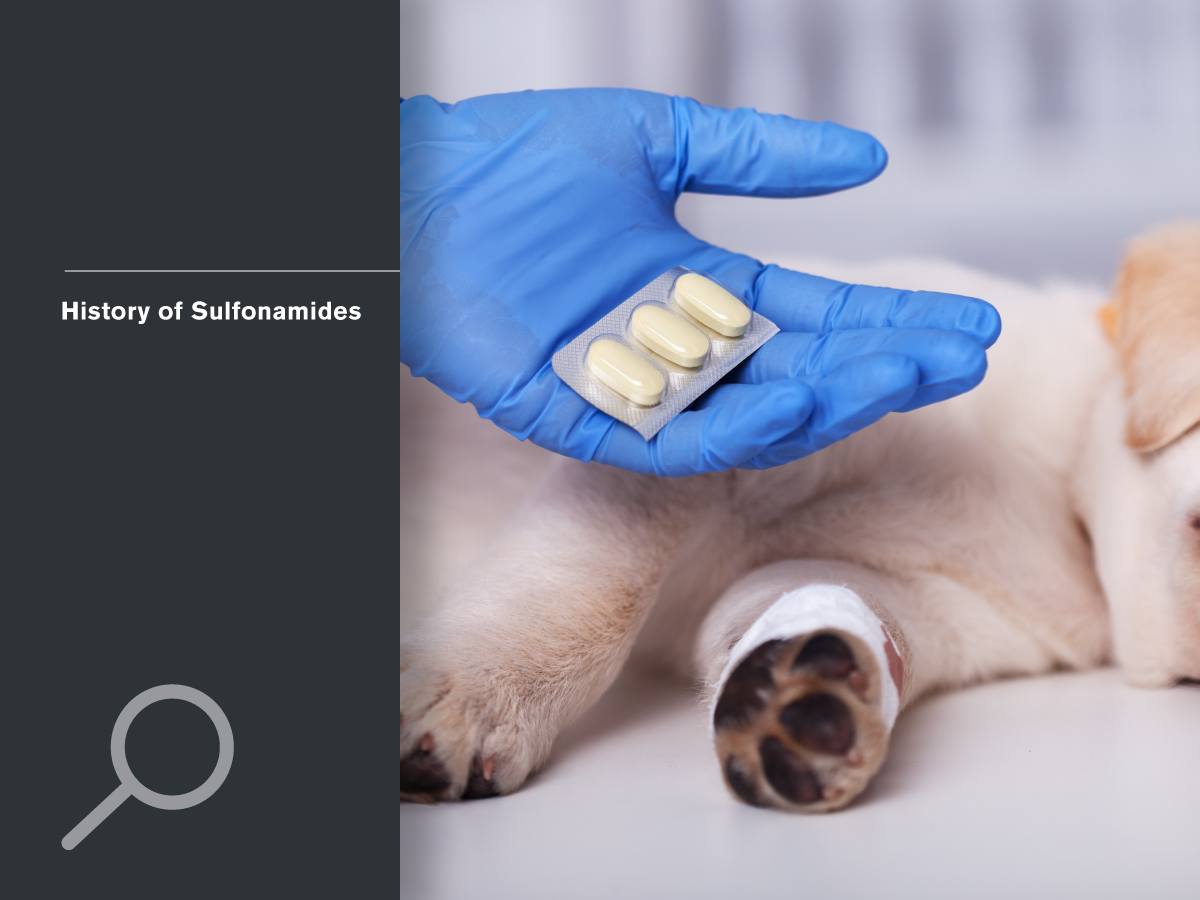
History of Sulfonamides
Since 1940, the use of antimicrobial drugs (AMD) in animals has been evolving with reports on a range of uses, misuses and abuses escalating. There are various drugs used in veterinary medicine, but we will now focus on the use of sulfonamides. The first veterinary use of sulfanilamide was for bovine mastitis therapy in 1937. […]
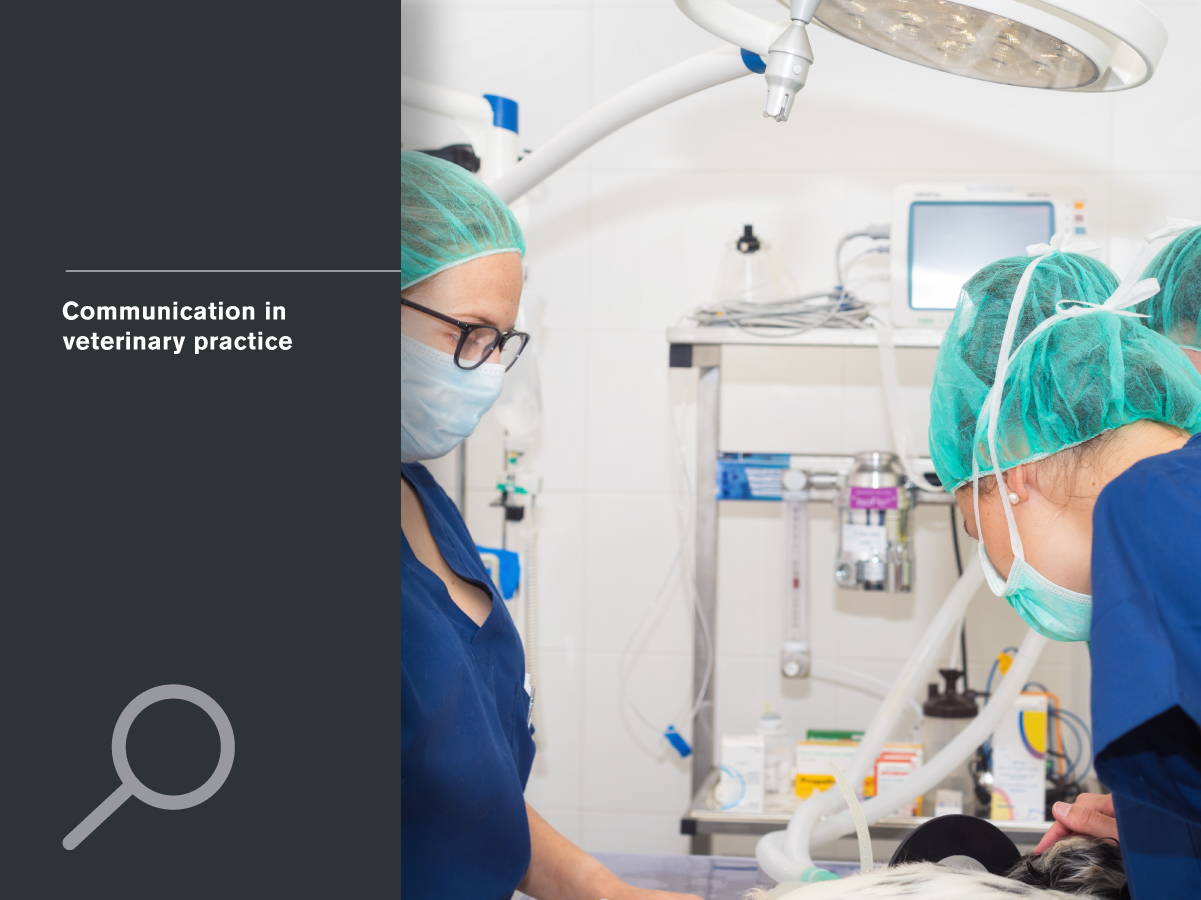
Communication in veterinary practice
There has been an increasing interest in the role of communication in veterinary clinical practice, particularly regarding the ways to deliver difficult news to clients, the role of communication skills in the veterinary education curriculum and the application of client centered communication approach within the veterinarian–client relationship. This integrated analysis included 48 studies and aimed […]

Is it SARDS or CAR?
Sudden acquired retinal degeneration syndrome (SARDS) is a frequent cause of irreversible blindness in dogs. It is thought to be an autoimmune disease like autoimmune retinopathies in humans (AIR). In humans, autoimmune retinopathies can develop as a form of paraneoplastic syndrome or when there is no cancer. Presentations of cancer-associated retinopathy (CAR) and SARDS (nonparaneoplastic […]

Rabbit welfare
Despite being one of the most popular mammalian pets worldwide, relatively little research has been conducted into the management, feeding and welfare of pet rabbits. Lack of knowledge about dietary, housing, and social needs, is commonly reported among pet owners. In fact, according to the Rabbits Welfare Association, only 5% of pet rabbit diet should […]

Unsuccessful animal adoptions
Pet´s adoption rate is increasing but the number of animals returned to shelters post-adoption is considerable. This study was conducted in the US to determine the animal characteristics associated with the likelihood of return, key reasons, and post-return outcomes for dogs and cats. From the 23,932 accessed animal records, 9.2% were returned to the shelter […]
Senior cat’s food formulation
Older cats are at increased risk of several age-related disorders and their nutritional requirements must be considered. In fact, a complete and balanced diet may slow down or prevent the progression of negative metabolic changes associated with aging, improving the cat’s health and longevity. At the moment there are no established guidelines or requirements available […]

Hypophysectomy to treat hypersomatotropism
Hypersomatotropism is a condition increasingly seen in cats and it is caused by a growth hormone (GH) secreting pituitary adenoma. There are several treatment options- medical treatment, radiation therapy, cryotherapy, and surgery. The latter is the treatment of choice for humans. This investigation considered twenty-five cats with spontaneous hypersomatotropism that underwent transsphenoidal hypophysectomy between 2008 […]
Raw diets for dogs
Raw meat-based diets (RMBDs) are becoming increasingly popular among pet owners. However, their real advantages have not yet been clearly proven and some undesired consequences of these diets have already been well documented, both in dogs and cats. The risk of pets consuming an incomplete and unbalanced daily meal is high and literature has shown […]
Primary Hyperaldosteronism in Cats
In addition to being underdiagnosed, primary hyperaldosteronism is the most common adrenocortical disorder in cats. It mainly occurs in middle-aged and older cats and has been reported as a mediator of progressive renal disease. This disease may occur due to tumorous or nontumorous mineralocorticoid excess. It is associated with cardiovascular and renal complications both in […]