Explore the latest news within the veterinary industry
Every month, we share articles with new trends, recent scientific studies and the latest discoveries in the veterinary field. Foster your passion and update your knowledge with our ready-to-read publications in a minute.

Influence of early life experiences and exercise in canine anxiety
As in humans and other species, anxiety is an important facet of canine behavior and affects welfare. To better characterize anxiety, the authors of this study created a validated survey for owners and collected data on 3264 dogs in Finland of various breeds and ages. The authors studied noise sensitivity, fearfulness and separation anxiety to […]
Behavior problems in small animals
Behavior problems too often cause owners to relinquish or euthanize their pets. Sometimes these behavior changes are the result of underlying disease so veterinarians play a key role in identifying and treating the disease and, in doing so, resolving the behavior problem. Frequent behavior problems in dogs include aggression directed at their owners, at strangers […]
Reducing of aggression in newly housed cats using rabbit maternal pheromone
Introducing new cats to a household can be cause moment of high stress and can lead to important behavioral problems, including aggression and house soiling. A recent study investigated whether long-acting pellets containing rabbit maternal-neonatal pheromone (2M2B) if added to the litterbox could reduce inter-cat aggression and improve litterbox use when new cats are housed […]

Fine needle aspiration in cardiac masses
While they are still rare, the most common heart tumors in dogs are hemangiosarcomas, chemodectomas, lymphomas and ectopic thyroid carcinomas. Samples for cytological or histopathological analysis are usually collected in masses with an extra-cardiac location but this procedure is not recommended for cardiac masses as it can cause complications. This retrospective study reviewed the clinical […]
Transesophageal echocardiography in dogs
Transesophageal echocardiography (TEE) is a semi-invasive technique that enables direct visualization of the heart and other anatomic structures through the esophagus. TEE provides better quality images than routine transthoracic echocardiography as there is less interference from surrounding structures. The procedure has several practical applications as it can be used not only as a diagnostic instrument […]
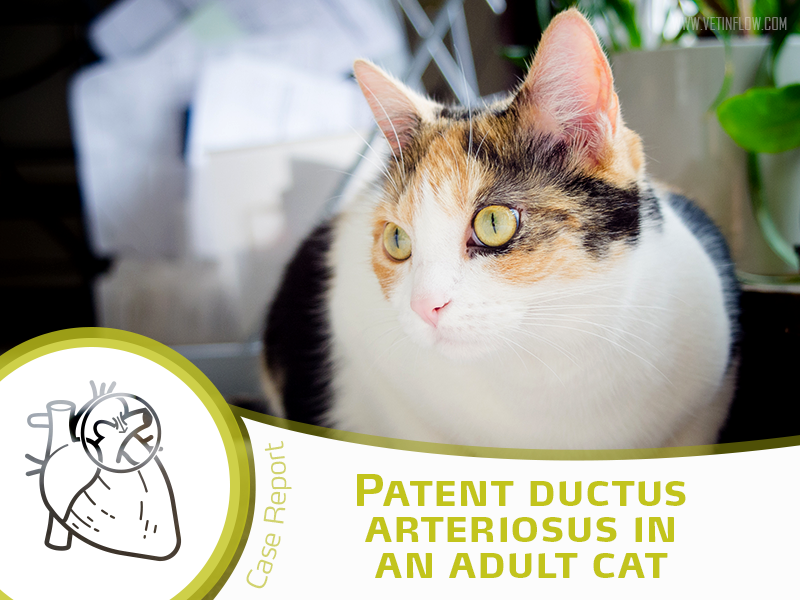
Patent ductus arteriosus in an adult cat
This article describes the clinical approach and treatment of an 8-year old female cat that presented at consultation with decreased appetite, weakness, weak femoral pulses, jugular venous distension, a grade III/VI continuous heart murmur and abdominal effusion. A PDA had been detected when she was 8 months old but no clinical manifestations had been spotted […]
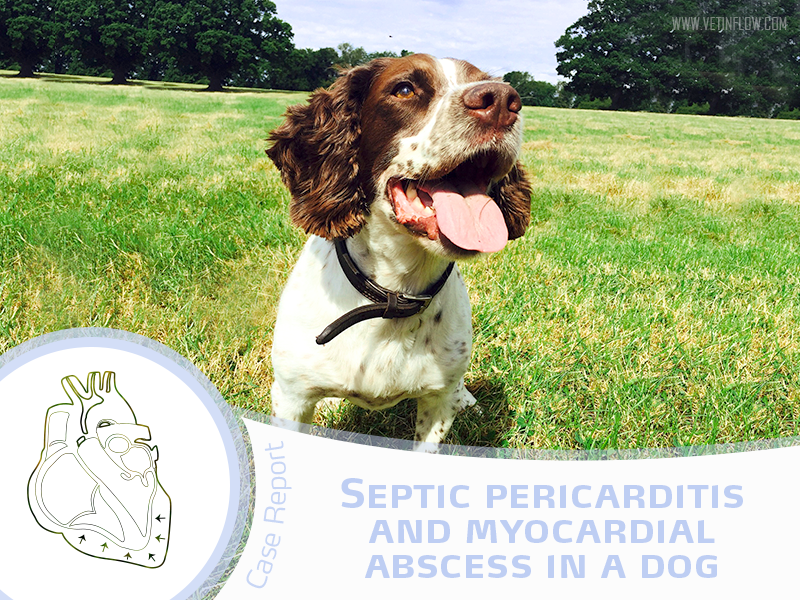
Septic pericarditis and myocardial abscess in a dog
This article describes the diagnostic approach of two conditions seen occasionally in dogs: septic pericarditis and a myocardial abscess. A 3-year-old female English springer spaniel presented with a three-month history of intermittent pyrexia and lethargy. It has also suffered episodes of tachypnoea, inappetence and vomiting. The case was forwarded to a referral hospital when a […]

Blood Transfusions in Cats
Performing blood transfusions between cats can save lives but we should always keep in mind that this procedure carries risks, not only for the cat receiving the transfusion but also for the donor cat. The donor is being subjected to an invasive procedure that involves sedation and the recipient can suffer from immune-mediated adverse reactions. […]

Cytokines levels in bitches with pyometra submitted to OHE
A pyometra is characterized by the proliferation of opportunistic bacteria leading to inflammation and to a gradual build-up of pus within the uterine lumen. This condition is commonly seen in adult, intact, female dogs, and can be a life-threatening disorder, since affected animals are at risk of sepsis. Pro and anti-inflammatory cytokines are molecules released […]

Dilated Cardiomyopathy and QRS Complex Duration in Dogs
Dilated cardiomyopathy (DCM) is a common cause of cardiac disease in both humans and dogs. Several studies have shown that a prolonged QRS complex duration is correlated to ventricular chamber enlargement, systolic dysfunction and higher chances of heart failure in humans. Keeping this in mind, the authors of this article decided to explore the prognostic […]

Case Report: Cholangiohepatitis in a dog
This case report describes the diagnostic approach for a 9-year-old female Yorkshire terrier, presented at consultation with anorexia, vomiting, and diarrhea. These clinical signs had been going on for 2 weeks. Hyperthermia, depression and weight loss were also noted on physical examination. Blood tests showed some degree of dehydration, inflammation, liver damage, reduced hepatic function, […]

Feline Injection-Site Sarcoma
Feline injection-site sarcomas (FISS) are malignant tumors that arise at the site of an injection in cats. Only a small number of cats develop this adverse reaction, which may indicate that genetic factors are also involved in the appearance of these abnormal growths. In most cases, these tumors are fibrosarcomas. Although this has not been […]

Lateral Caudal Axial Pattern Flap in dogs
Large wounds that do not allow primary closure require the use of other reconstruction techniques. Axial pattern flaps are local skin flaps that include a direct cutaneous artery and vein in their base. These enable us to transfer a large section of skin into an adjacent defect, providing viable tissue to cover an extensive wound. […]

Antitumor effects of deracoxib in dogs with transitional cell carcinoma of the urinary bladder
This study provides more information on the use of deracoxib for the treatment of transitional cell carcinoma (TCC), a frequent type of cancer found in the urinary tract of dogs. Treating these tumors with selective Cyclooxygenase-2 (COX-2) inhibitors could be beneficial, assuming these drugs will cause less harmful side effects when compared to nonselective COX […]

Brain Tumors in Small Animals
Brain tumors can be divided into primary or secondary tumors, depending on their origin. Primary tumors started developing within the brain tissues, and secondary tumors originated from other structures such as bone or muscle, or may have spread from a different primary organ. Primary brain tumors tend to appear in older animals, with meningiomas and […]

Complete Tracheal Rupture in Small Animals
Complete tracheal rupture in small animals is normally due to trauma and a potentially fatal condition. Fortunately, this is not a common occurrence. As far as the authors know, this is the first article that describes how the anesthesia and the successful surgical treatment of complete tracheal rupture was performed in a dog and a […]