- Overview
- Modules
To be confirmed
To be confirmed
To be confirmed
Learn at your own pace, wherever you are, with our Small Animal Surgery blended learning programme
Our Small Animal Surgery program is designed to provide veterinary surgeons with access to world-class teaching materials. By studying part-time at your own pace, you can effectively manage your work-life balance while immediately applying essential knowledge to your practice.
This programme is provided online with practical sessions at GSG Academy.
NOTE: Dates displayed on this program are subject to change.
Key features of this program
24 varied modules
Covering soft tissue and orthopaedic procedures delivered over 24 months
Multiple learning processes
Presentations, written notes, interactive quizzes and exercises which test your knowledge as you work
Interactive and engaging modules
Which allow you to absorb the learning materials in an online environment
Expert Speakers
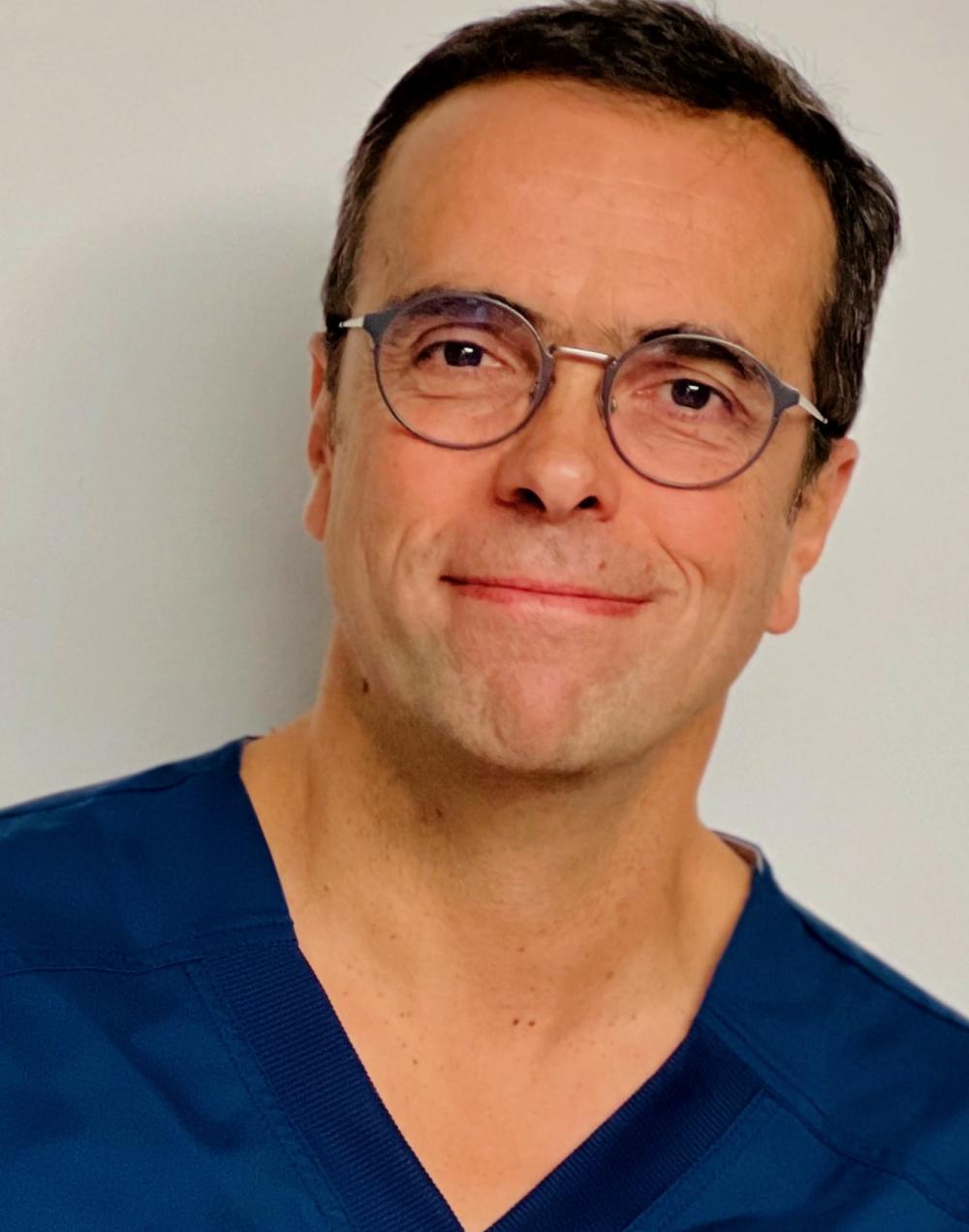
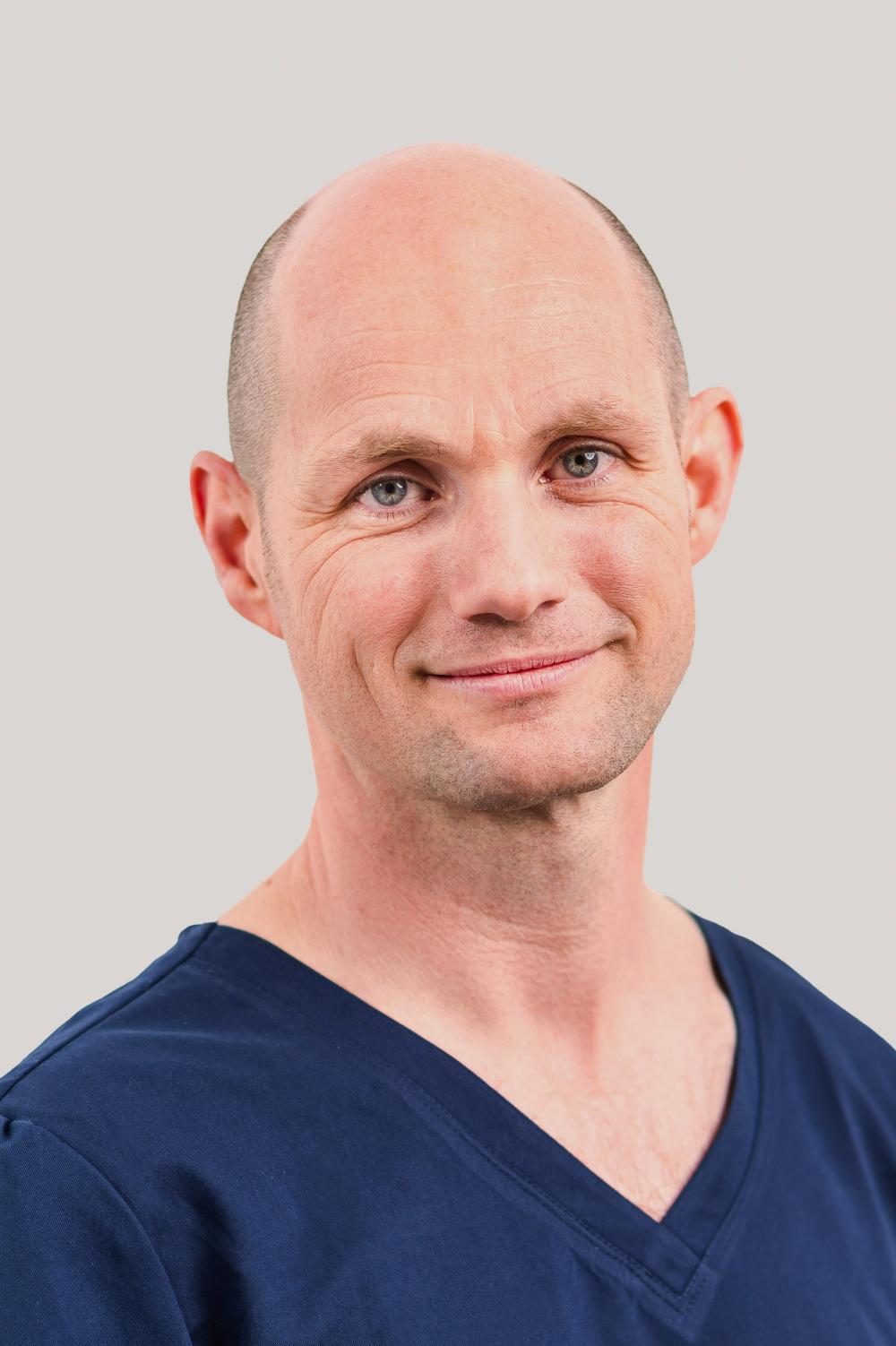
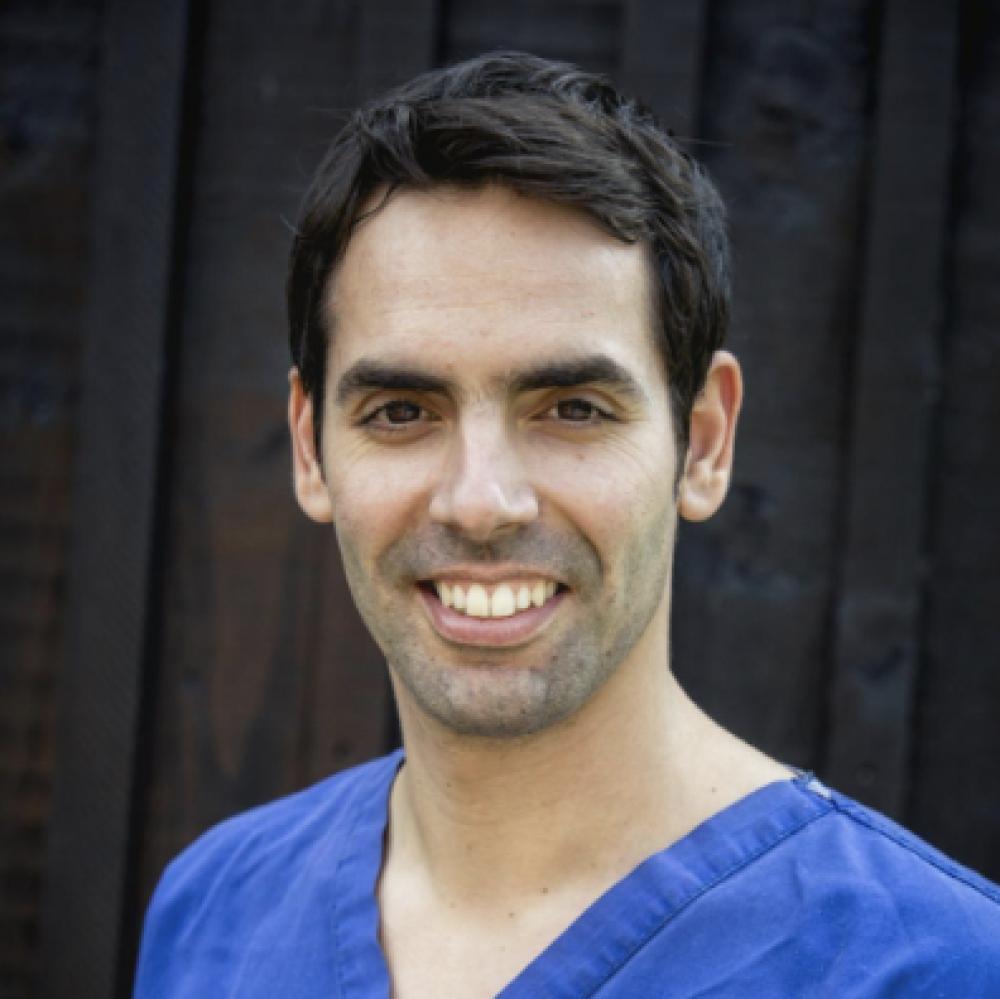
Leading experts in a variety of clinical topics delivering the latest content and who will guide you throughout the programme
Reflective learning
In addition to the taught modules, you will receive pre- and post-module questions to help you reflect and track your learning. This approach to reflective learning will assist you throughout your career as a veterinary professional
Dedicated Online Platform
Access to our world-leading online learning management platform – providing access to course notes and other study resources
Latest clinical training environments
Convenient and state-of-the-art training and practical facilities, which contain the latest equipment
Clinical case discussions
Allowing you to relate your theoretical knowledge to real clinical practice
Programme Details
Module Summary
- Surgical Basics: Asepsis, Instrumentation, Operative techniques and Wound healing
- Urinary and Reproductive tract surgery
- Upper Gastrointestinal Surgery
- Lower Gastrointestinal Surgery, Liver, Spleen and Pancreas
- Oral, Pharyngeal and Aural surgery
- Surgery of the Upper Airways, Larynx and Trachea
- Surgery of the Abdominal and Thoracic Cavities
- Surgical Oncology
- Reconstructive Surgery (Practical)
- Head and Neck Surgery (Practical)
- Thoracic Surgery (Practical)
- Gastrointestinal Surgery (Practical)
- Urological Surgery (Practical)
- Joint Diseases of the Forelimb
- Joint Diseases of the Hindlimb
- Fracture Repair I
- Fracture Repair II
- Spinal Surgery I
- Spinal Surgery II
- Joint Diseases of the Forelimb (Practical)
- Joint Diseases of the Hindlimb (Practical)
- Internal Fixation I (Practical)
- Internal Fixation II (Practical)
- External Fixation and Bone Graft (Practical)
Please note the module order may be subject to change
Qualifications
Our General Practitioner Certificate in Small Animal Surgery programme offers a comprehensive array of structured learning with the ultimate flexibility, allowing you to access the training you need while managing your busy practice life.
You can gain new knowledge and skills to apply in your practice, or work towards earning a recognized qualification.
The Small Animal Surgery programme is provided by Improve Veterinary Education in collaboration with the International School of Veterinary Postgraduate Studies (ISVPS).
Complete all modules and be eligible to apply for the General Practitioner Certificate (GPCert) by purchasing and passing the required assessments with the International School of Veterinary Postgraduate Studies (ISVPS).
The fees include ALL registration and exam fees to achieve a General Practitioner Certificate (GPCert) from ISVPS.
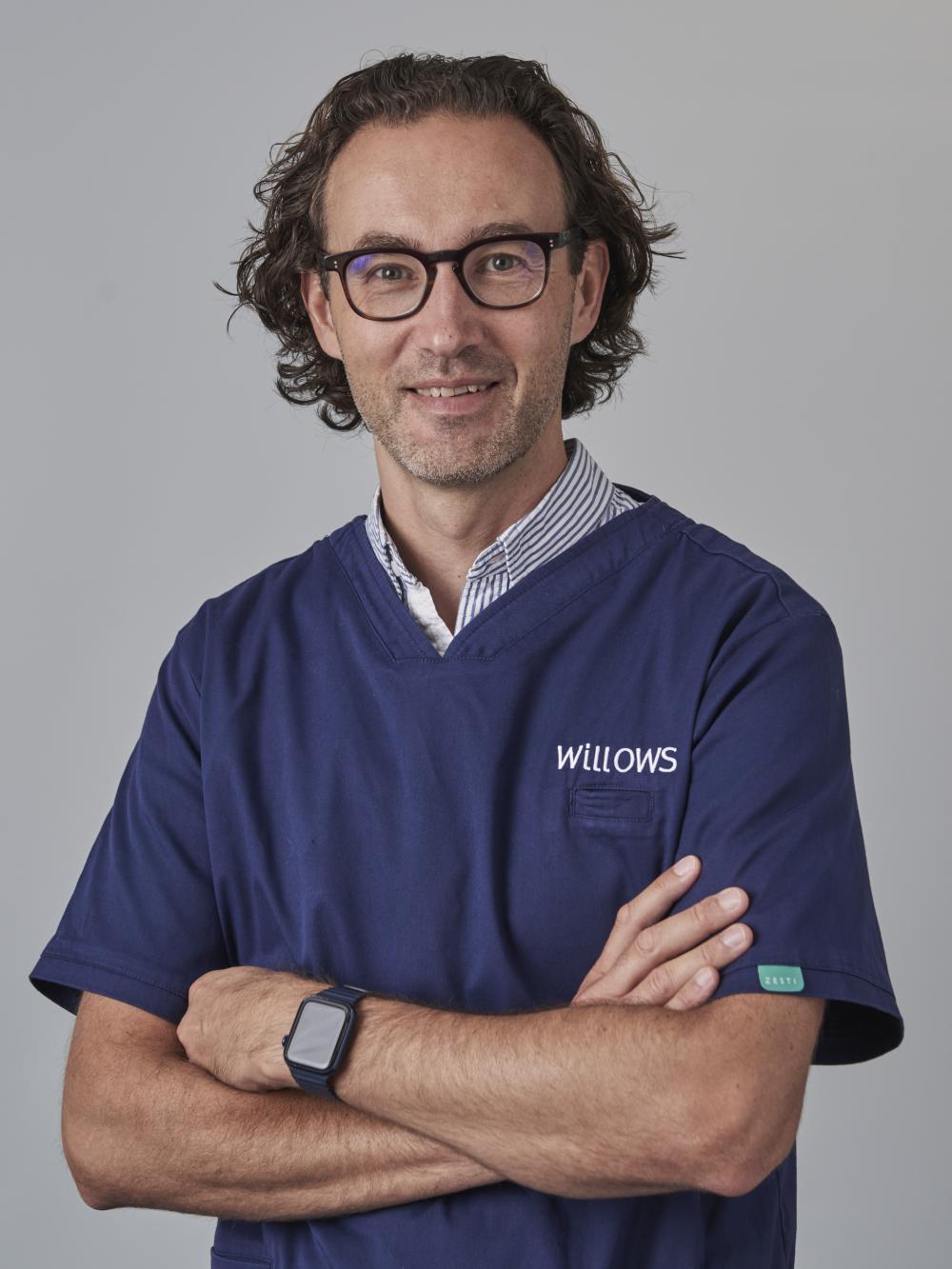
Speakers







GPCert in Small Animal Surgery
Get in touch
Accredited by

This course is accredited by ISVPS and allows you to achieve a General Practitioner Certificate
Approved by

Approved by RACE for 248 CE credits
01 - Surgical Basics: Asepsis, Instrumentation, Operative techniques and Wound healing
Key Learning Objectives
- Asepsis, sterilization and appropriate antibiosis for surgical cases
- Surgical instrumentation and proper handling
- Different uses of sutures, needles, staples and clips
- Wound healing principles and how to apply them to clinical cases
- Principles of wound management and latest innovations
02 - Urinary and Reproductive tract surgery
Key Learning Objectives
- Renal surgery principles and techniques
- Obstructive diseases of the urinary tract
- Management of urolithiasis
- Surgical options for urinary incontinence: colposuspension, TVT and urethral occluders
- Surgery of the male reproductive system – from prostatic omentalization to penile and preputial procedures
- Surgery of the female reproductive system – ovariectomy and ovariohysterectomy
03 - Upper Gastrointestinal Surgery
Key Learning Objectives
- Surgical approaches to salivary gland disease
- Esophageal disease - indications for surgical treatment
- Gastrotomy and gastrectomy - indications beyond GDV
- Small intestinal disease and how to minimize complications
- Ruptures and hernias
04 - Lower Gastrointestinal Surgery, Liver, Spleen and Pancreas
Key Learning Objectives
- Large intestinal surgery - differences between cats and dogs
- Surgical approaches to the rectum and anus
- Different options for liver surgery – suture, staples or electrosurgery
- Biliary tract surgery – anatomy and surgical options
- Pancreatic surgery
- Splenectomy - indications, techniques and alternatives to surgical removal
05 - Oral, Pharyngeal and Aural surgery
Key Learning Objectives
- Surgery of the lips, cheeks and tongue
- Surgical treatment of palatal abnormalities
- Maxillectomy and mandibulectomy
- Pharyngeal surgery and options for tonsillar surgery
- Aural surgery: lateral wall resection, vertical canal ablation, ventral bulla osteotomy, total canal ablation, lateral bulla osteotomy and approach to aural hematoma
06 - Surgery of the Upper Airways, Larynx and Trachea
Key Learning Objectives
- Conditions of the nasal planum according the animal´s age
- Indications for nasal sinuses surgery
- Brachycephalic airway syndrome
- Surgery of the larynx: paralysis, collapse, trauma, stenosis and neoplasia
- Surgery of the trachea: tracheotomy, tracheostomy, tracheal avulsion, collapse, resection/anastomosis, trauma, foreign bodies and neoplasia
07 - Surgery of the Abdominal and Thoracic Cavities
Key Learning Objectives
- Peritonitis: pathophysiology, clinical signs, diagnosis and treatment options
- Thoracic surgery
- Differences between small and large dogs
- Thoracostomy for pneumothorax, pyothorax and chylothorax
- Thoracotomia
- Lung lobectomy
- Pericardectomy
- PDA
- PRAA - regurgitating patients and thoracotomy
- Chylotorax
- Chest wall diseases
08 - Surgical Oncology
Key Learning Objectives
- Principles of oncologic surgery: approaches to the most common tumors seen in practice
- Latest treatment options for mast cell tumors
- Oral tumors - performing maxillectomy and mandibulectomy
- Gastrointestinal tumors
- Feline-specific tumors
09 - Reconstructive Surgery (Practical)
- Wound closure - Tension relieving techniques, management of ‘dog ears’
- Pedicle Flaps - advancement, rotational and transposition to help close the larger or trickier defects
- Muscle and omental flaps - using muscle in defects by practising the external abdominal oblique muscle flap
- Skin grafts - full thickness and stamp and how to maximise their chances of success
10 - Head and Neck Surgery (Practical)
- Total ear canal ablation (TECA) and lateral bulla osteotomy - Suture materials and special instruments, post-op care and assessment, complications
- Ventral bulla osteotomy - Suture materials and special instruments, post-op care and assessment, complications
- Thyroid surgery - Thyroidectomy in the dog, thyroidectomy in the cat demonstration
- Unilateral arytenoid lateralisation - Pre-op management, anaesthesia, surgical anatomy, surgical technique, post-op care and assessment
11 - Thoracic Surgery (Practical)
- Thoracotomy - Pre-op management, anaesthesia, surgical anatomy, surgical technique, post-op care and assessment
- Lung lobectomy - Partial and complete lobectomy
- Pericardectomy - Subtotal and total
- Patent ductus arteriosus (PDA) - Pre-operative management, anaesthesia, surgical anatomy, surgical technique, post-op care and assessment
12 - Gastrointestinal Surgery (Practical)
- Oesophageal foreign bodies - Pre-op management, anaesthesia, surgical anatomy, surgical technique, post-op care and assessment
- Gastric dilatation volvulus - Temporary and permanent gastropexy
13 - Urological Surgery (Practical)
- Nephrectomy and nephrotomy - Partial nephrectomy, ureteronephrectomy, indications for nephrotomy
- Urethrostomy - Prescrotal, scrotal, perineal, prepubic
14 - Joint Diseases of the Forelimb
Key Learning Objectives
- Shoulder conditions including luxation, osteochondrosis, dysplasia and excision arthroplasty surgery
- Elbow conditions including, luxations, IOHC, dysplasia, developmental disease and ununited anconeal process
- Developmental carpal disease, carpal hyperextension, arthrodesis and luxations of the carpus and foot
- Growth plate disorders
15 - Joint Diseases of the Hindlimb
Key Learning Objectives
- Pros and cons of surgical options for the ruptured cruciate ligament
- Alternative causes of stifle dysfunction besides the cranial cruciate ligament
- Relate the underlying causes of patellar luxation with the appropriate surgical approach
- Hock anatomy - conditions that affect the joint including osteochondrosis and luxation
- Possible treatments for conditions that affect the hip including dysplasia and luxation
- Pros and cons of total hip replacement
16 - Fracture Repair I
Key Learning Objectives
- Initial assessment of the fractured patient
- Fracture classification
- Principles of fracture repair and practical applications
- Fracture fixation methods and implants including plating and external fixation devices
17 - Fracture Repair II
Key Learning Objectives
- Principles of fracture reduction, including both closed and open techniques
- Bone grafting - cancellous and cortical
- Fore and hindlimb specific fracture stabilization
- Clinical approaches to the following complications: Delayed union/Non-union/Mal-union/Osteomyelitis
18 - Spinal Surgery I
Key Learning Objectives
- Systematic neurological exam and interpretation: localizing spinal lesions
- Application of neurodiagnostics
- Approach and management of paraplegia and tetraplegia
- Clinical approach to neurological emergencies, including cranial trauma and status epilepticus
19 - Spinal Surgery II
Key Learning Objectives
- Surgical options for spinal surgery according to site
- Cervical spine - ventral slot procedure
- Thoracolumbar spine - hemilaminectomy
- Lumbosacral spine - dorsal laminectomy
- CSF tap and myelography - landmarks for acquiring CSF samples and obtaining diagnostic myelograms
20 - Joint Diseases of the Forelimb (Practical)
• Perform a caudolateral and craniomedial approach to the shoulder joint
• Perform a biceps tenotomy
• Revise various elbow joint procedures
• Perform a medial and lateral approach to the elbow joint
• Perform a subtotal coronoidectomy
• Apply a lag screw fixation to fix the Ununited Anconeal Process (UAP)
• Execute a proximal/distal ulna osteotomy
21 - Joint Diseases of the Hindlimb (Practical)
• Perform a craniodorsal approach to the hip
• Identify all the steps to correctly perform a femoral head ostectomy (FHNO)
• Approach to the stifle joint laterally
• Execute lateral fabello-tibial sutures
• Perform recession trochleoplasties
• Describe the key stages involved in a tibial tuberosity transposition procedure
22 - Internal Fixation I (Practical)
- Application of cerclages and tension band fixations
- Application of positional and lag screws
- Tibial fractures
- Medial approach to the tibia
- Application of a bone plate
- Radial fractures
- Cranio-medial / lateral approach to the radius
- Application of a bone plate
- Femoral fractures
- Lateral approach to the femur
- Application of a bone plate and an intramedullary pin (plate and rod)
23 - Internal Fixation II (Practical)
- Recognise the most important features to correctly approach humeral fractures
- Approach the humeral shaft laterally
- Apply a bone plate and an intramedullary pin (plate and rod)
- Perform a dorsal approach to the carpal joint
- Perform a carpal arthrodesis
- Perform a medial and lateral approach to the tarsal joint
- Perform a tarsal arthrodesis
24 - External Fixation and Bone Graft (Practical)
- Review external fixation equipment
- Pins, bars and clamps
- Tibial Fracture
- Surgical repair with a type II linear frame
- Comminuted Radial Fracture
- Surgical repair with a type Ib linear frame
Venue: Online / Dubai
Date: To be confirmed
GPCert in Small Animal Surgery
Get in touch
Accredited by
This course is accredited by ISVPS and allows you to achieve a General Practitioner Certificate
Approved by
Approved by RACE for 248 CE credits
01 - Surgical Basics: Asepsis, Instrumentation, Operative techniques and Wound healing
Key Learning Objectives
- Asepsis, sterilization and appropriate antibiosis for surgical cases
- Surgical instrumentation and proper handling
- Different uses of sutures, needles, staples and clips
- Wound healing principles and how to apply them to clinical cases
- Principles of wound management and latest innovations
02 - Urinary and Reproductive tract surgery
Key Learning Objectives
- Renal surgery principles and techniques
- Obstructive diseases of the urinary tract
- Management of urolithiasis
- Surgical options for urinary incontinence: colposuspension, TVT and urethral occluders
- Surgery of the male reproductive system – from prostatic omentalization to penile and preputial procedures
- Surgery of the female reproductive system – ovariectomy and ovariohysterectomy
03 - Upper Gastrointestinal Surgery
Key Learning Objectives
- Surgical approaches to salivary gland disease
- Esophageal disease - indications for surgical treatment
- Gastrotomy and gastrectomy - indications beyond GDV
- Small intestinal disease and how to minimize complications
- Ruptures and hernias
04 - Lower Gastrointestinal Surgery, Liver, Spleen and Pancreas
Key Learning Objectives
- Large intestinal surgery - differences between cats and dogs
- Surgical approaches to the rectum and anus
- Different options for liver surgery – suture, staples or electrosurgery
- Biliary tract surgery – anatomy and surgical options
- Pancreatic surgery
- Splenectomy - indications, techniques and alternatives to surgical removal
05 - Oral, Pharyngeal and Aural surgery
Key Learning Objectives
- Surgery of the lips, cheeks and tongue
- Surgical treatment of palatal abnormalities
- Maxillectomy and mandibulectomy
- Pharyngeal surgery and options for tonsillar surgery
- Aural surgery: lateral wall resection, vertical canal ablation, ventral bulla osteotomy, total canal ablation, lateral bulla osteotomy and approach to aural hematoma
06 - Surgery of the Upper Airways, Larynx and Trachea
Key Learning Objectives
- Conditions of the nasal planum according the animal´s age
- Indications for nasal sinuses surgery
- Brachycephalic airway syndrome
- Surgery of the larynx: paralysis, collapse, trauma, stenosis and neoplasia
- Surgery of the trachea: tracheotomy, tracheostomy, tracheal avulsion, collapse, resection/anastomosis, trauma, foreign bodies and neoplasia
07 - Surgery of the Abdominal and Thoracic Cavities
Key Learning Objectives
- Peritonitis: pathophysiology, clinical signs, diagnosis and treatment options
- Thoracic surgery
- Differences between small and large dogs
- Thoracostomy for pneumothorax, pyothorax and chylothorax
- Thoracotomia
- Lung lobectomy
- Pericardectomy
- PDA
- PRAA - regurgitating patients and thoracotomy
- Chylotorax
- Chest wall diseases
08 - Surgical Oncology
Key Learning Objectives
- Principles of oncologic surgery: approaches to the most common tumors seen in practice
- Latest treatment options for mast cell tumors
- Oral tumors - performing maxillectomy and mandibulectomy
- Gastrointestinal tumors
- Feline-specific tumors
09 - Reconstructive Surgery (Practical)
- Wound closure - Tension relieving techniques, management of ‘dog ears’
- Pedicle Flaps - advancement, rotational and transposition to help close the larger or trickier defects
- Muscle and omental flaps - using muscle in defects by practising the external abdominal oblique muscle flap
- Skin grafts - full thickness and stamp and how to maximise their chances of success
10 - Head and Neck Surgery (Practical)
- Total ear canal ablation (TECA) and lateral bulla osteotomy - Suture materials and special instruments, post-op care and assessment, complications
- Ventral bulla osteotomy - Suture materials and special instruments, post-op care and assessment, complications
- Thyroid surgery - Thyroidectomy in the dog, thyroidectomy in the cat demonstration
- Unilateral arytenoid lateralisation - Pre-op management, anaesthesia, surgical anatomy, surgical technique, post-op care and assessment
11 - Thoracic Surgery (Practical)
- Thoracotomy - Pre-op management, anaesthesia, surgical anatomy, surgical technique, post-op care and assessment
- Lung lobectomy - Partial and complete lobectomy
- Pericardectomy - Subtotal and total
- Patent ductus arteriosus (PDA) - Pre-operative management, anaesthesia, surgical anatomy, surgical technique, post-op care and assessment
12 - Gastrointestinal Surgery (Practical)
- Oesophageal foreign bodies - Pre-op management, anaesthesia, surgical anatomy, surgical technique, post-op care and assessment
- Gastric dilatation volvulus - Temporary and permanent gastropexy
13 - Urological Surgery (Practical)
- Nephrectomy and nephrotomy - Partial nephrectomy, ureteronephrectomy, indications for nephrotomy
- Urethrostomy - Prescrotal, scrotal, perineal, prepubic
14 - Joint Diseases of the Forelimb
Key Learning Objectives
- Shoulder conditions including luxation, osteochondrosis, dysplasia and excision arthroplasty surgery
- Elbow conditions including, luxations, IOHC, dysplasia, developmental disease and ununited anconeal process
- Developmental carpal disease, carpal hyperextension, arthrodesis and luxations of the carpus and foot
- Growth plate disorders
15 - Joint Diseases of the Hindlimb
Key Learning Objectives
- Pros and cons of surgical options for the ruptured cruciate ligament
- Alternative causes of stifle dysfunction besides the cranial cruciate ligament
- Relate the underlying causes of patellar luxation with the appropriate surgical approach
- Hock anatomy - conditions that affect the joint including osteochondrosis and luxation
- Possible treatments for conditions that affect the hip including dysplasia and luxation
- Pros and cons of total hip replacement
16 - Fracture Repair I
Key Learning Objectives
- Initial assessment of the fractured patient
- Fracture classification
- Principles of fracture repair and practical applications
- Fracture fixation methods and implants including plating and external fixation devices
17 - Fracture Repair II
Key Learning Objectives
- Principles of fracture reduction, including both closed and open techniques
- Bone grafting - cancellous and cortical
- Fore and hindlimb specific fracture stabilization
- Clinical approaches to the following complications: Delayed union/Non-union/Mal-union/Osteomyelitis
18 - Spinal Surgery I
Key Learning Objectives
- Systematic neurological exam and interpretation: localizing spinal lesions
- Application of neurodiagnostics
- Approach and management of paraplegia and tetraplegia
- Clinical approach to neurological emergencies, including cranial trauma and status epilepticus
19 - Spinal Surgery II
Key Learning Objectives
- Surgical options for spinal surgery according to site
- Cervical spine - ventral slot procedure
- Thoracolumbar spine - hemilaminectomy
- Lumbosacral spine - dorsal laminectomy
- CSF tap and myelography - landmarks for acquiring CSF samples and obtaining diagnostic myelograms
20 - Joint Diseases of the Forelimb (Practical)
• Perform a caudolateral and craniomedial approach to the shoulder joint
• Perform a biceps tenotomy
• Revise various elbow joint procedures
• Perform a medial and lateral approach to the elbow joint
• Perform a subtotal coronoidectomy
• Apply a lag screw fixation to fix the Ununited Anconeal Process (UAP)
• Execute a proximal/distal ulna osteotomy
21 - Joint Diseases of the Hindlimb (Practical)
• Perform a craniodorsal approach to the hip
• Identify all the steps to correctly perform a femoral head ostectomy (FHNO)
• Approach to the stifle joint laterally
• Execute lateral fabello-tibial sutures
• Perform recession trochleoplasties
• Describe the key stages involved in a tibial tuberosity transposition procedure
22 - Internal Fixation I (Practical)
- Application of cerclages and tension band fixations
- Application of positional and lag screws
- Tibial fractures
- Medial approach to the tibia
- Application of a bone plate
- Radial fractures
- Cranio-medial / lateral approach to the radius
- Application of a bone plate
- Femoral fractures
- Lateral approach to the femur
- Application of a bone plate and an intramedullary pin (plate and rod)
23 - Internal Fixation II (Practical)
- Recognise the most important features to correctly approach humeral fractures
- Approach the humeral shaft laterally
- Apply a bone plate and an intramedullary pin (plate and rod)
- Perform a dorsal approach to the carpal joint
- Perform a carpal arthrodesis
- Perform a medial and lateral approach to the tarsal joint
- Perform a tarsal arthrodesis
24 - External Fixation and Bone Graft (Practical)
- Review external fixation equipment
- Pins, bars and clamps
- Tibial Fracture
- Surgical repair with a type II linear frame
- Comminuted Radial Fracture
- Surgical repair with a type Ib linear frame
Venue: Online / Riyadh
Date: To be confirmed
GPCert in Small Animal Surgery
Get in touch
Accredited by
This course is accredited by ISVPS and allows you to achieve a General Practitioner Certificate
Approved by
Approved by RACE for 248 CE credits
01 - Surgical Basics: Asepsis, Instrumentation, Operative techniques and Wound healing
Key Learning Objectives
- Asepsis, sterilization and appropriate antibiosis for surgical cases
- Surgical instrumentation and proper handling
- Different uses of sutures, needles, staples and clips
- Wound healing principles and how to apply them to clinical cases
- Principles of wound management and latest innovations
02 - Urinary and Reproductive tract surgery
Key Learning Objectives
- Renal surgery principles and techniques
- Obstructive diseases of the urinary tract
- Management of urolithiasis
- Surgical options for urinary incontinence: colposuspension, TVT and urethral occluders
- Surgery of the male reproductive system – from prostatic omentalization to penile and preputial procedures
- Surgery of the female reproductive system – ovariectomy and ovariohysterectomy
03 - Upper Gastrointestinal Surgery
Key Learning Objectives
- Surgical approaches to salivary gland disease
- Esophageal disease - indications for surgical treatment
- Gastrotomy and gastrectomy - indications beyond GDV
- Small intestinal disease and how to minimize complications
- Ruptures and hernias
04 - Lower Gastrointestinal Surgery, Liver, Spleen and Pancreas
Key Learning Objectives
- Large intestinal surgery - differences between cats and dogs
- Surgical approaches to the rectum and anus
- Different options for liver surgery – suture, staples or electrosurgery
- Biliary tract surgery – anatomy and surgical options
- Pancreatic surgery
- Splenectomy - indications, techniques and alternatives to surgical removal
05 - Oral, Pharyngeal and Aural surgery
Key Learning Objectives
- Surgery of the lips, cheeks and tongue
- Surgical treatment of palatal abnormalities
- Maxillectomy and mandibulectomy
- Pharyngeal surgery and options for tonsillar surgery
- Aural surgery: lateral wall resection, vertical canal ablation, ventral bulla osteotomy, total canal ablation, lateral bulla osteotomy and approach to aural hematoma
06 - Surgery of the Upper Airways, Larynx and Trachea
Key Learning Objectives
- Conditions of the nasal planum according the animal´s age
- Indications for nasal sinuses surgery
- Brachycephalic airway syndrome
- Surgery of the larynx: paralysis, collapse, trauma, stenosis and neoplasia
- Surgery of the trachea: tracheotomy, tracheostomy, tracheal avulsion, collapse, resection/anastomosis, trauma, foreign bodies and neoplasia
07 - Surgery of the Abdominal and Thoracic Cavities
Key Learning Objectives
- Peritonitis: pathophysiology, clinical signs, diagnosis and treatment options
- Thoracic surgery
- Differences between small and large dogs
- Thoracostomy for pneumothorax, pyothorax and chylothorax
- Thoracotomia
- Lung lobectomy
- Pericardectomy
- PDA
- PRAA - regurgitating patients and thoracotomy
- Chylotorax
- Chest wall diseases
08 - Surgical Oncology
Key Learning Objectives
- Principles of oncologic surgery: approaches to the most common tumors seen in practice
- Latest treatment options for mast cell tumors
- Oral tumors - performing maxillectomy and mandibulectomy
- Gastrointestinal tumors
- Feline-specific tumors
09 - Reconstructive Surgery (Practical)
- Wound closure - Tension relieving techniques, management of ‘dog ears’
- Pedicle Flaps - advancement, rotational and transposition to help close the larger or trickier defects
- Muscle and omental flaps - using muscle in defects by practising the external abdominal oblique muscle flap
- Skin grafts - full thickness and stamp and how to maximise their chances of success
10 - Head and Neck Surgery (Practical)
- Total ear canal ablation (TECA) and lateral bulla osteotomy - Suture materials and special instruments, post-op care and assessment, complications
- Ventral bulla osteotomy - Suture materials and special instruments, post-op care and assessment, complications
- Thyroid surgery - Thyroidectomy in the dog, thyroidectomy in the cat demonstration
- Unilateral arytenoid lateralisation - Pre-op management, anaesthesia, surgical anatomy, surgical technique, post-op care and assessment
11 - Thoracic Surgery (Practical)
- Thoracotomy - Pre-op management, anaesthesia, surgical anatomy, surgical technique, post-op care and assessment
- Lung lobectomy - Partial and complete lobectomy
- Pericardectomy - Subtotal and total
- Patent ductus arteriosus (PDA) - Pre-operative management, anaesthesia, surgical anatomy, surgical technique, post-op care and assessment
12 - Gastrointestinal Surgery (Practical)
- Oesophageal foreign bodies - Pre-op management, anaesthesia, surgical anatomy, surgical technique, post-op care and assessment
- Gastric dilatation volvulus - Temporary and permanent gastropexy
13 - Urological Surgery (Practical)
- Nephrectomy and nephrotomy - Partial nephrectomy, ureteronephrectomy, indications for nephrotomy
- Urethrostomy - Prescrotal, scrotal, perineal, prepubic
14 - Joint Diseases of the Forelimb
Key Learning Objectives
- Shoulder conditions including luxation, osteochondrosis, dysplasia and excision arthroplasty surgery
- Elbow conditions including, luxations, IOHC, dysplasia, developmental disease and ununited anconeal process
- Developmental carpal disease, carpal hyperextension, arthrodesis and luxations of the carpus and foot
- Growth plate disorders
15 - Joint Diseases of the Hindlimb
Key Learning Objectives
- Pros and cons of surgical options for the ruptured cruciate ligament
- Alternative causes of stifle dysfunction besides the cranial cruciate ligament
- Relate the underlying causes of patellar luxation with the appropriate surgical approach
- Hock anatomy - conditions that affect the joint including osteochondrosis and luxation
- Possible treatments for conditions that affect the hip including dysplasia and luxation
- Pros and cons of total hip replacement
16 - Fracture Repair I
Key Learning Objectives
- Initial assessment of the fractured patient
- Fracture classification
- Principles of fracture repair and practical applications
- Fracture fixation methods and implants including plating and external fixation devices
17 - Fracture Repair II
Key Learning Objectives
- Principles of fracture reduction, including both closed and open techniques
- Bone grafting - cancellous and cortical
- Fore and hindlimb specific fracture stabilization
- Clinical approaches to the following complications: Delayed union/Non-union/Mal-union/Osteomyelitis
18 - Spinal Surgery I
Key Learning Objectives
- Systematic neurological exam and interpretation: localizing spinal lesions
- Application of neurodiagnostics
- Approach and management of paraplegia and tetraplegia
- Clinical approach to neurological emergencies, including cranial trauma and status epilepticus
19 - Spinal Surgery II
Key Learning Objectives
- Surgical options for spinal surgery according to site
- Cervical spine - ventral slot procedure
- Thoracolumbar spine - hemilaminectomy
- Lumbosacral spine - dorsal laminectomy
- CSF tap and myelography - landmarks for acquiring CSF samples and obtaining diagnostic myelograms
20 - Joint Diseases of the Forelimb (Practical)
• Perform a caudolateral and craniomedial approach to the shoulder joint
• Perform a biceps tenotomy
• Revise various elbow joint procedures
• Perform a medial and lateral approach to the elbow joint
• Perform a subtotal coronoidectomy
• Apply a lag screw fixation to fix the Ununited Anconeal Process (UAP)
• Execute a proximal/distal ulna osteotomy
21 - Joint Diseases of the Hindlimb (Practical)
• Perform a craniodorsal approach to the hip
• Identify all the steps to correctly perform a femoral head ostectomy (FHNO)
• Approach to the stifle joint laterally
• Execute lateral fabello-tibial sutures
• Perform recession trochleoplasties
• Describe the key stages involved in a tibial tuberosity transposition procedure
22 - Internal Fixation I (Practical)
- Application of cerclages and tension band fixations
- Application of positional and lag screws
- Tibial fractures
- Medial approach to the tibia
- Application of a bone plate
- Radial fractures
- Cranio-medial / lateral approach to the radius
- Application of a bone plate
- Femoral fractures
- Lateral approach to the femur
- Application of a bone plate and an intramedullary pin (plate and rod)
23 - Internal Fixation II (Practical)
- Recognise the most important features to correctly approach humeral fractures
- Approach the humeral shaft laterally
- Apply a bone plate and an intramedullary pin (plate and rod)
- Perform a dorsal approach to the carpal joint
- Perform a carpal arthrodesis
- Perform a medial and lateral approach to the tarsal joint
- Perform a tarsal arthrodesis
24 - External Fixation and Bone Graft (Practical)
- Review external fixation equipment
- Pins, bars and clamps
- Tibial Fracture
- Surgical repair with a type II linear frame
- Comminuted Radial Fracture
- Surgical repair with a type Ib linear frame
Venue: Online / Doha
Date: To be confirmed
GPCert in Small Animal Surgery
Get in touch
Accredited by
This course is accredited by ISVPS and allows you to achieve a General Practitioner Certificate
Approved by
Approved by RACE for 248 CE credits
