Explore the latest news within the veterinary industry
Every month, we share articles with new trends, recent scientific studies and the latest discoveries in the veterinary field. Foster your passion and update your knowledge with our ready-to-read publications in a minute.

Chocolate Toxicity in Dogs
Chocolate is known to be toxic to dogs due to the presence of methylxanthines (theobromine and caffeine) and most owners immediately take their dog to the clinic after ingestion. The first time a chocolate intoxication in a dog was published was in 1942. The toxicity danger depends on the type of chocolate ingested because different […]

Canine Otitis externa – Treatment and complications
Otitis externa is a very common aliment in dogs caused by an inflammatory process of the external ear canal, resulting in either an acute or chronic nature. Chronic cases are due to changes in the external ear in response to long periods of inflammation which increases humidity and pH of the external ear, risking a […]

Ondansetron for the treatment of nausea in dogs with vestibular syndrome
Vestibular system disorders are a common presentation in everyday clinical practice. Nausea is a complex multi-dimensional sensation and a common clinical sign in dogs with vestibular syndrome. It is difficult to evaluate and often associated with the urge to vomit; however, it is not necessarily associated with the result of vomiting. Nausea is more difficult […]

A Pilot Study: appeasing pheromone diffuser products for managing of feline aggression
Cats are very socially flexible animals ranging from very independent to living in proximity. Their interactions are influenced by several factors such as lived experiences in an early onset and also resource availability. Although they can form complex bonds with other cats they are related to, they don’t normally accept other unfamiliar members. In some […]
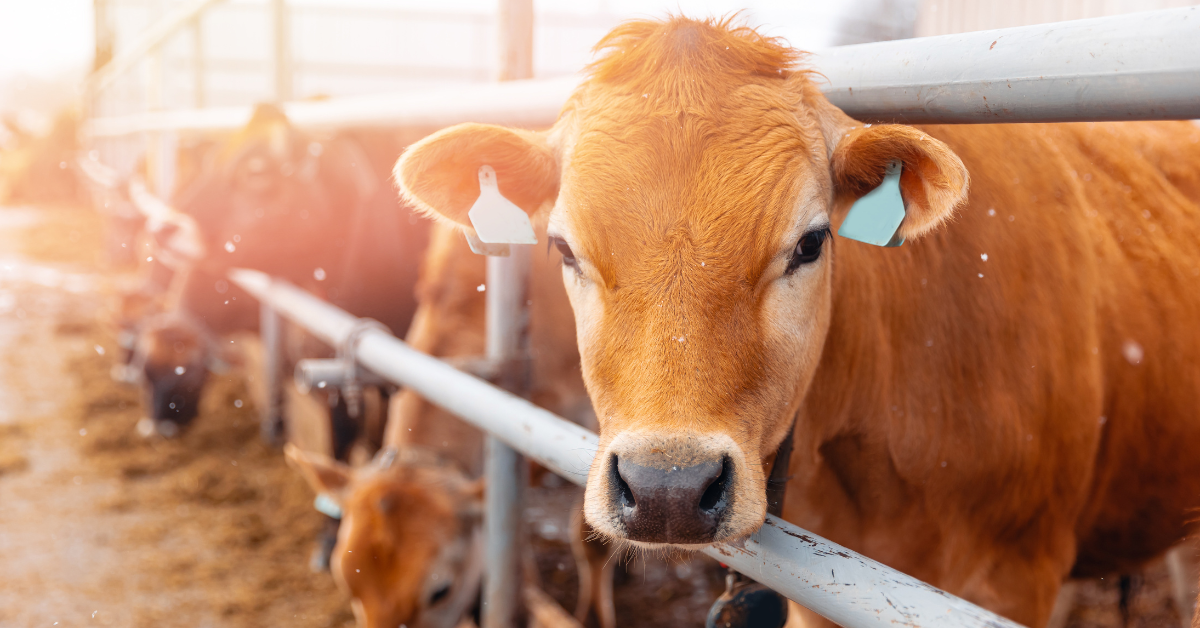
Pharmacokinetics of Cannabidiol in Calves
Cannabidiol’s (CBD) studies have increased over the years due to its analgesic, anti-inflammatory, antioxidant, anxiolytic, anticonvulsant and cytotoxic effects on cancer cells. There are studies in both humans and animals and it is already widely used in humans and dogs. However, there is very little information about its effect on livestock. For the first time, […]

Cheetahs balance ‘turn capacity’ with pace when chasing prey
Scientific comprehension of the strategies predators adopt when pursuing prey is still very limited. Technological advances have allowed the development of various sensors that can measure movement and collect data to document hunting strategies. In this study, the data collected from the cheetahs’, Acinonyx jubatus, movement was used to study their hunting strategies. Cheetahs are […]

Stress and strain among veterinarians: a scoping review
Health care workers are exposed to various types of work stressors. Job inequity, pressure to preform, shift work, feeling of loss of control, low social support in the workplace and overtime are just examples of these stressors. These conditions will have effects on the wellbeing and health of the professionals, for example long working hours […]

Regular Positive Reinforcement training increases contact-seeking behaviour in horses
Horses are frequently trained based on negative reinforcement. Nevertheless, recently, positive reinforcement training has become increasingly popular. There is some evidence that horses trained with positive reinforcement show less stress-related and avoidance behaviours and show more positive emotions when comparing to those trained with negative reinforcement. Positive reinforcement also suggests to improve relationship between horse […]

Esophageal and gastric bone foreign bodies
https://onlinelibrary.wiley.com/doi/epdf/10.1111/jvim.16383 Bone foreign bodies are a common emergency in small animal veterinary practice. The way the clinician chooses to deal with them depends not only on its location, but also on its material. A recent article was published with a retrospective study using the medical records of dogs with bone esophageal foreign bodies (E-bFBs) and […]

Evaluation of serum cardiac troponin-I concentrations for diagnosis of infective endocarditis in dogs
Infectious endocarditis (IE) is a microbial infection that causes inflammation of at least one of the cardiac valves or the endocardial surface of the cardiac chambers. An antemortem definitive diagnosis is frequently difficult and depends on the satisfaction of the modified Duke criteria. Nonetheless, there are several inevitable limitations in these criteria, such as the […]

The efficacy of a nutritional supplement containing green-lipped mussel, curcumin and blackcurrant leaf extract in dogs and cats with osteoarthritis
One of the most common orthopedic findings in cats and dogs is osteoarthritis (OA), with an estimated prevalence of 90% in dogs after 5 years of age. This is a chronic and progressive condition that affects the quality of life of pets. There is no cure only treatments to retard progression and manage pain, these […]

Revisiting the pathophysiology of heatstroke
Heat stroke is an extremely lethal syndrome, caused by high core body temperature. It is characterized by the inability to dissipate heat during exposure to hot environments, or during intense physical exercise under heat stress. It has been described innumerous times, and in 2017 Bruchim, Horowitz and Aroch wrote an article revisiting the pathophysiology of […]
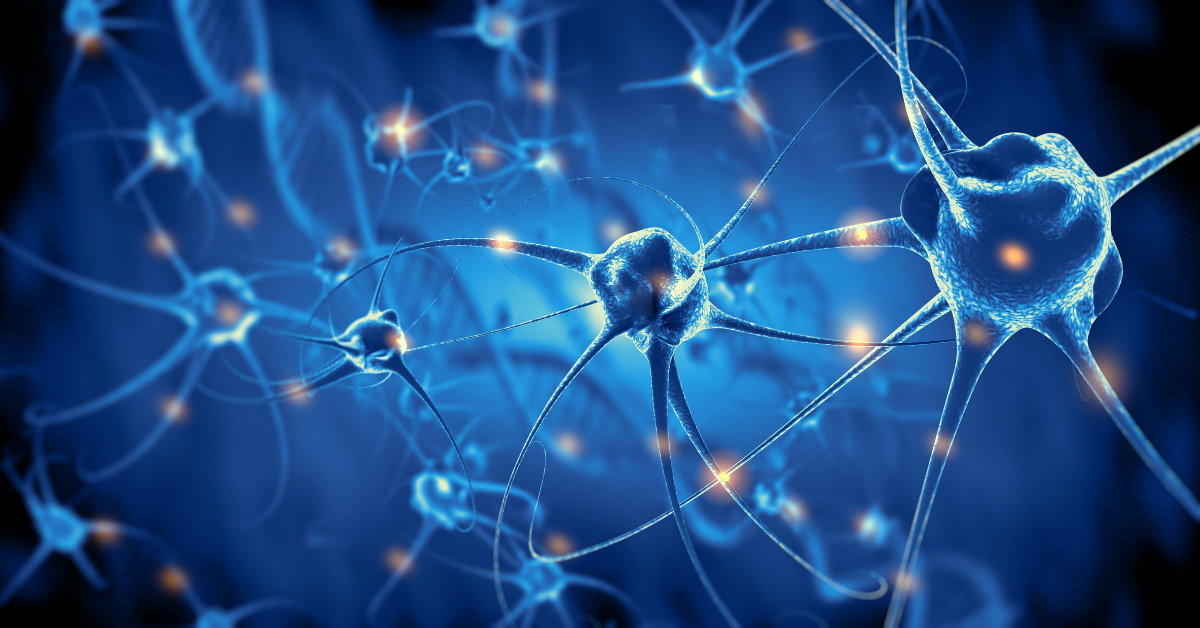
Neurofilament light chain as a biomarker of meningoencephalitis of unknown etiology in dogs
Neurofilaments (Nfs) are neuron specific proteins that are highly expressed in axons. When axonal damage occurs, Nfs are released into the cerebrospinal fluid (CSF) and blood stream. Neurofilament light chain (NfL) concentration in the CSF and blood have recently shown to reflect neuroaxonal damage and could be potential biomarkers for disease progression in humans. Studies […]
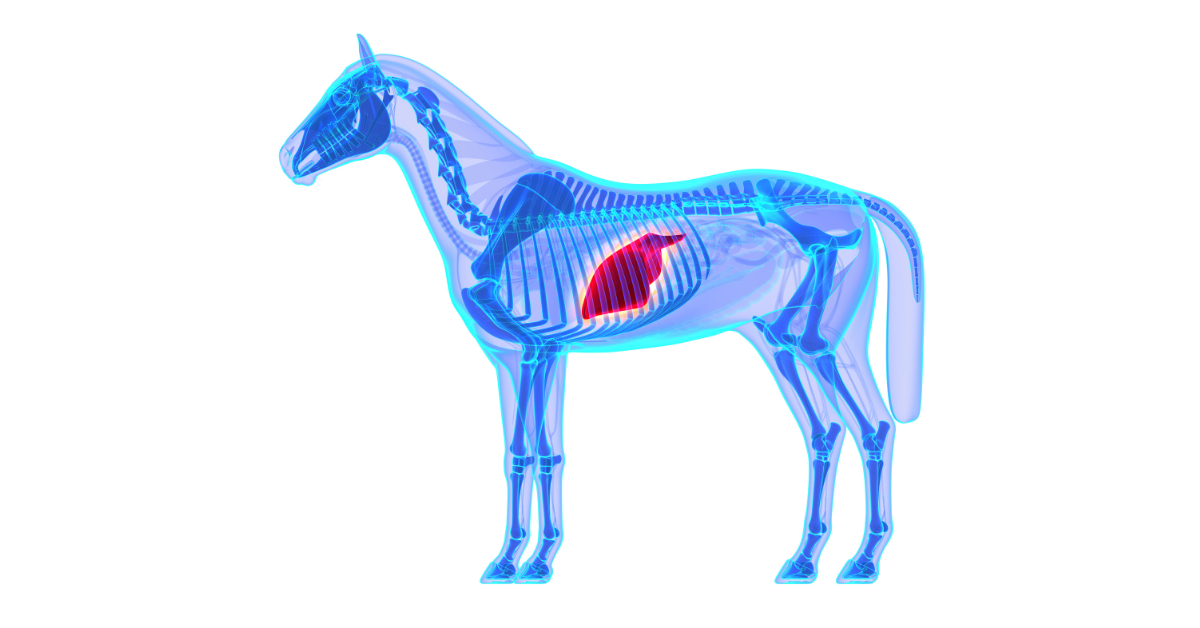
Equine parvovirus hepatitis
In 1918 Theiler’s disease was first described in a group of horses in South Africa after the administration of an equine biological. This disease is characterized by acute hepatic necrosis and fulminant liver failure. Usually, these events are connected to the administration of biological equine substances like plasma, tetanus antitoxin, botulism antitoxin, allogenic stem cells, […]
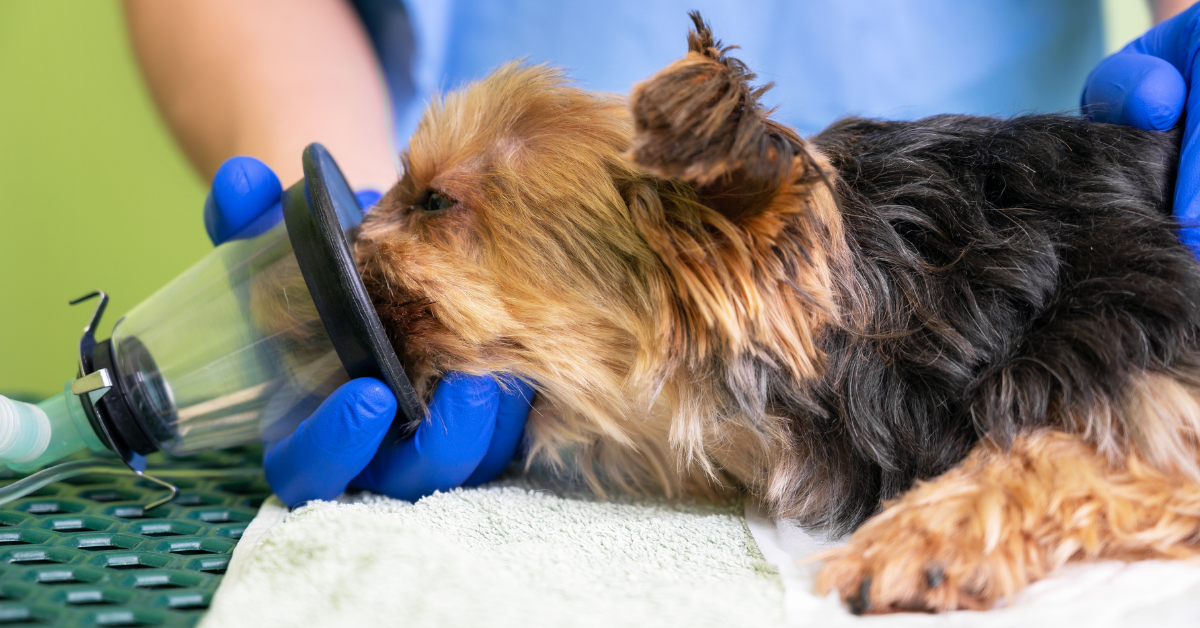
Antimicrobial discontinuation in dogs with acute aspiration pneumonia
Aspiration Pneumonia (AP) is a usual cause of bacterial pneumonia in veterinary practice. It is currently diagnosed based on compatible anamneses, clinical signs, and imaging. There is a lack of evidence on optimal antibiotic treatment duration in dogs with AP. The role of thoracic radiographies and lung ultrasonography in follow-ups is not well reported in […]

Making the most of your veterinary career connections how to make and maintain your network
It’s a known fact that professional network is influential in all occupational fields and veterinary medicine isn’t an exception. A research study done by the platform LinkedIn has found that 85% of job opportunities were tied to previous connections. The ability to create these connections varies greatly between individuals, for some it’s something almost natural […]
- 1
- 2
